21 Small House Siding Ideas for a Bigger, Bolder Exterior
Siding is one of those things you barely notice when it’s right and can’t stop noticing when it’s wrong. Drive through any neighborhood and the homes that catch your eye almost always have one thing in common — the exterior actually suits the size and shape of the house. That’s harder to pull off on smaller builds, where a single bad color or clunky material choice throws the whole thing off.
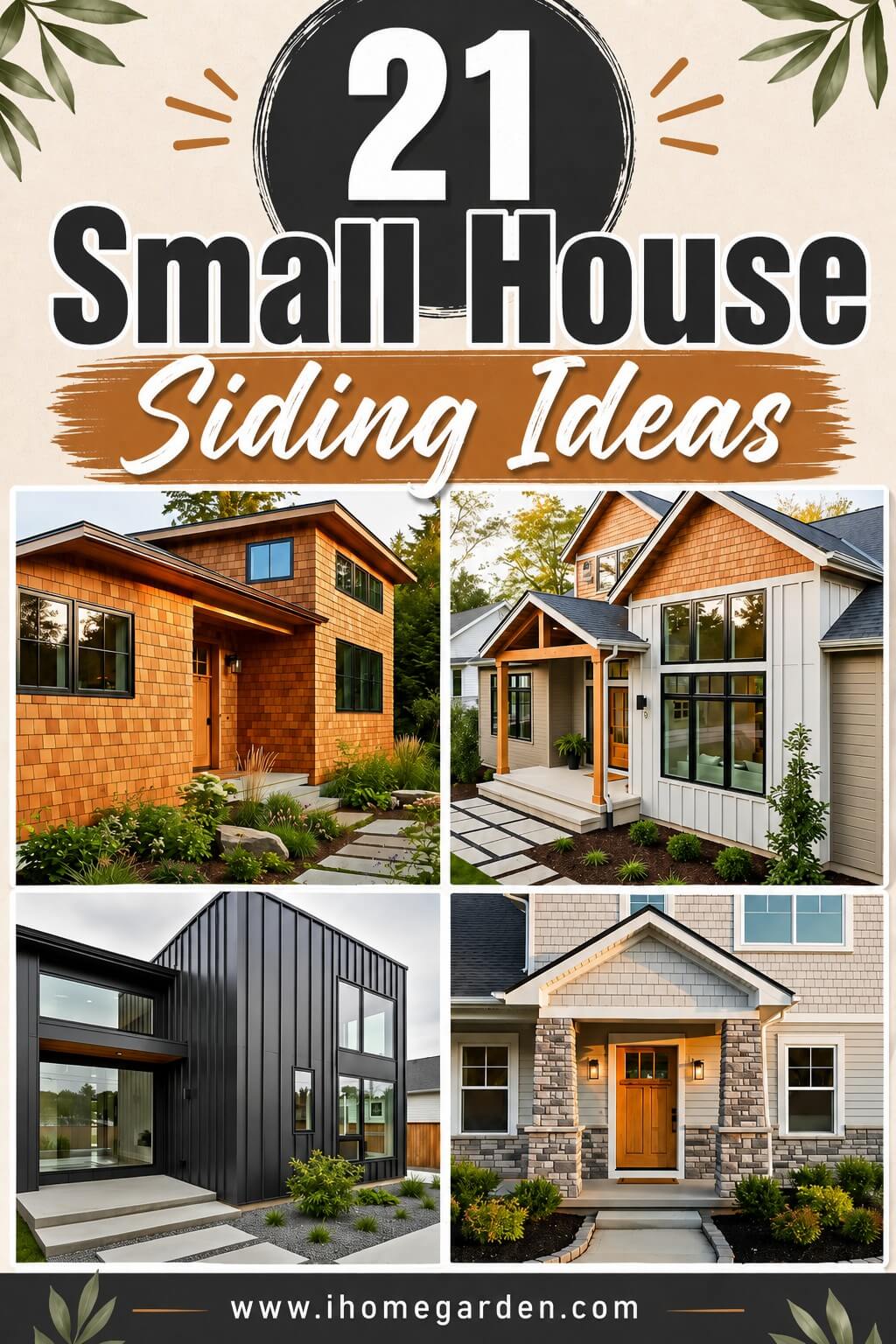
So I rounded up these 21 game-changing small house siding ideas to make the decision feel less overwhelming and a lot more fun. Some lean modern, some lean cozy, a few mix materials in clever ways, and others just stretch your budget further than you’d expect. Each one comes with real notes on cost, upkeep, and what works in different climates — the stuff you actually need before calling a contractor or picking up a paintbrush.
1. Light Lap Siding for Small Homes
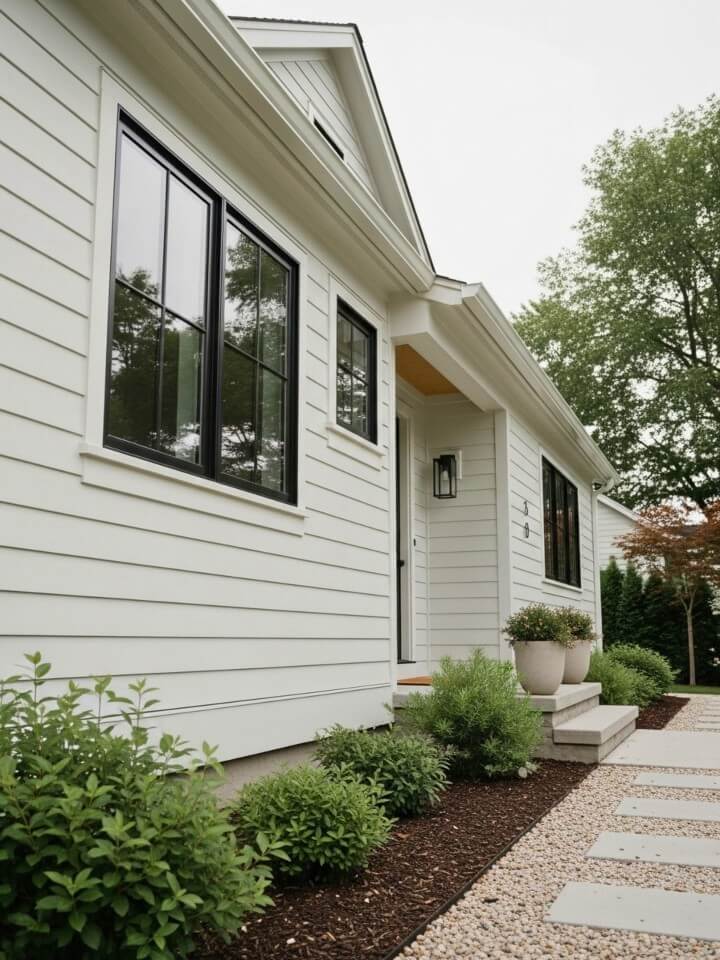
If your house reads as boxy from the curb, light horizontal lap siding is one of the quickest visual fixes. The repeating lines pull the eye sideways, making the façade feel wider than it actually is. Soft greige, warm white, and pale stone tones reflect daylight best and tend to hide minor surface flaws.
Fiber cement lap with a 4- or 5-inch reveal usually lasts 25–30 years with minimal upkeep. Vinyl is the budget route at roughly $4–$8 per square foot installed, while fiber cement runs $8–$13. Avoid very wide reveals — they make small homes look stretched.
2. Board and Batten for Added Height
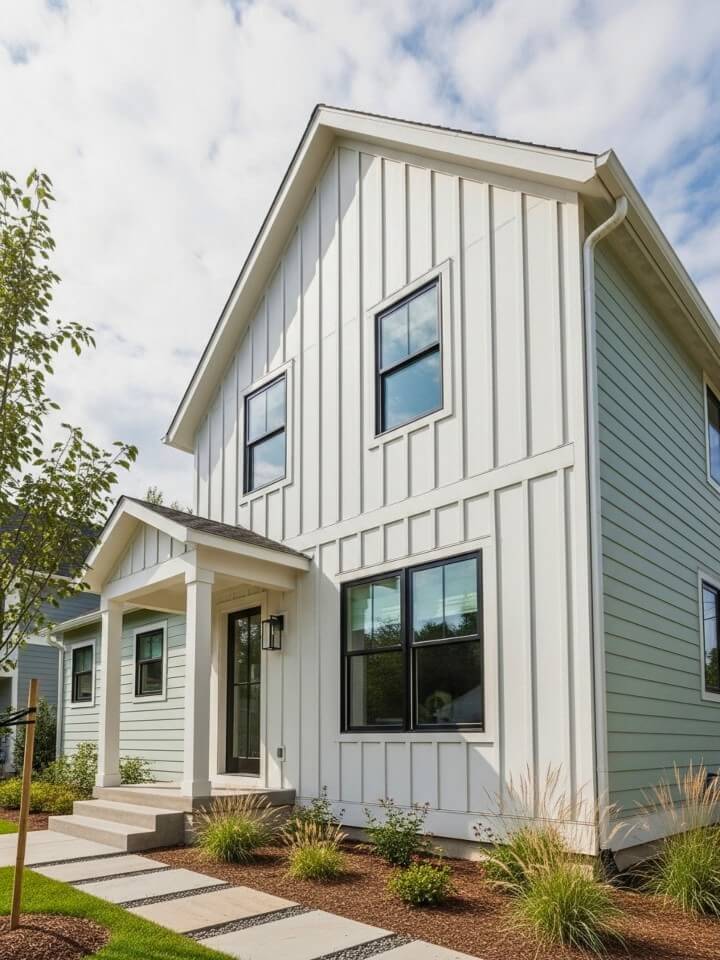
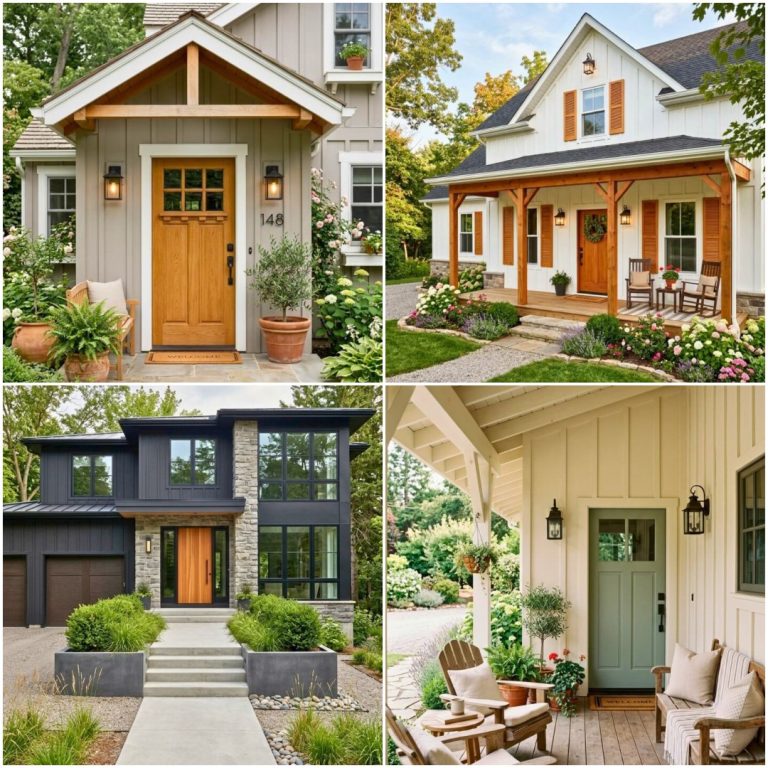
Height is the whole trick here. Running battens vertically every 12 to 16 inches sends the eye upward instead of letting it stop at the roofline, and a single-story cottage suddenly starts reading like a proper two-story silhouette. Narrow lots and farmhouse builds benefit the most from this effect.
Crisp white never goes out of style, but muted olive, warm clay, and deep navy have taken over recently for owners wanting something less expected. Pre-finished engineered wood like LP SmartSide holds paint far longer than raw pine and resists woodpeckers, moisture, and the cracking that ruins cheaper boards.
3. Wood and Fiber Cement Mixed Siding
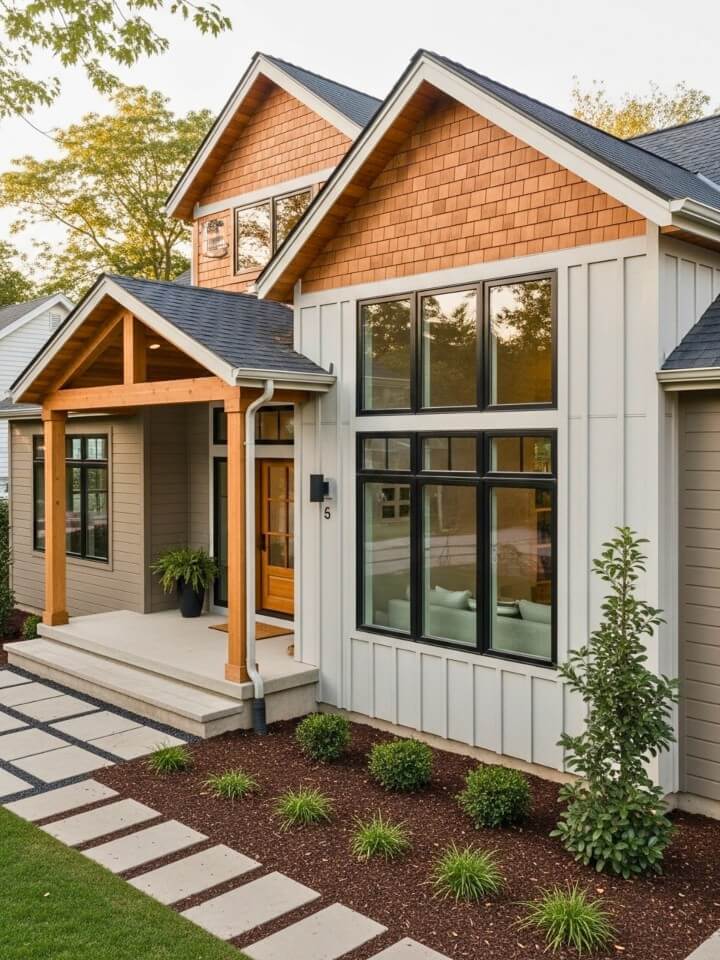
Discover charming siding ideas for small houses that boost curb appeal without breaking your budget. Pairing two materials sounds risky on a small footprint, but done right, it adds the depth flat exteriors lack. The usual approach is fiber cement on the main body with real or faux wood framing the entry, dormers, or a single gable end. The contrast quietly draws attention to the architectural details that matter most.
The Mistake to Avoid
Stick to two materials, never three — anything more starts looking like a builder’s sample board. Match the wood accent to your front door tone so the eye connects them without effort. Budget around $9–$14 per square foot installed for a clean two-material combination done well.
4. Dark Siding with White Trim
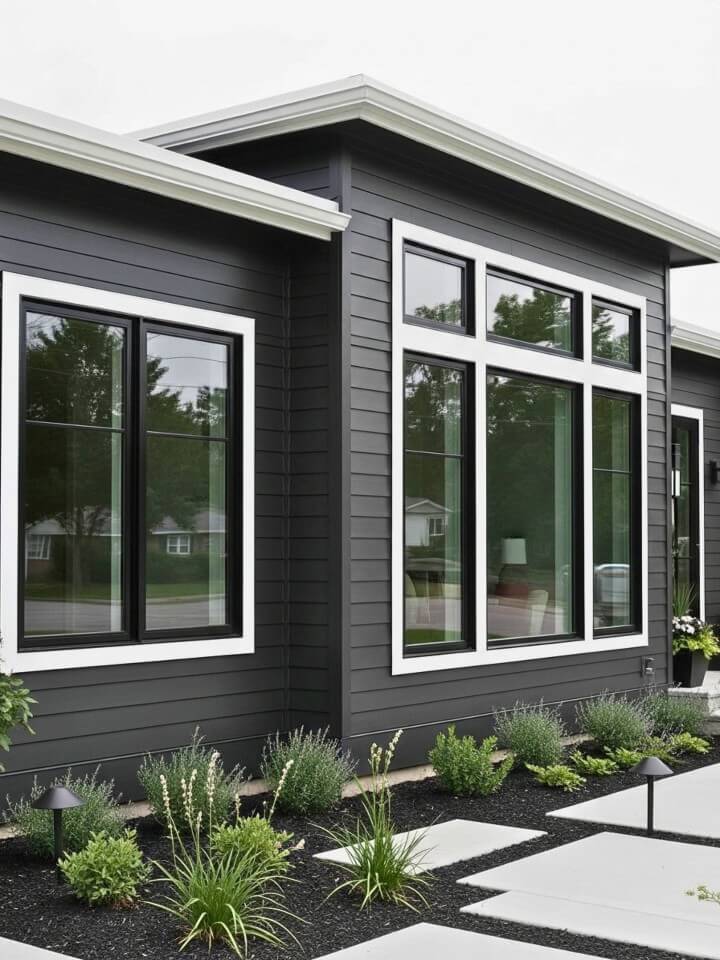
Dark exteriors used to be considered a gamble. Today they’re one of the fastest-growing exterior trends, and on compact homes the effect is striking — deep color makes the structure feel deliberate rather than small. Charcoal, iron ore, and near-black tones land beautifully against bright white window casings, fascia boards, and door surrounds.
Dark siding absorbs significantly more heat, which speeds up fading and can warp lower-grade materials. In sunny regions, factory-finished products like James Hardie’s ColorPlus hold their color years longer than anything field-painted. A warm wood door or copper hardware keeps the overall mood grounded instead of stark.
5. Stone Veneer Entryway Accent
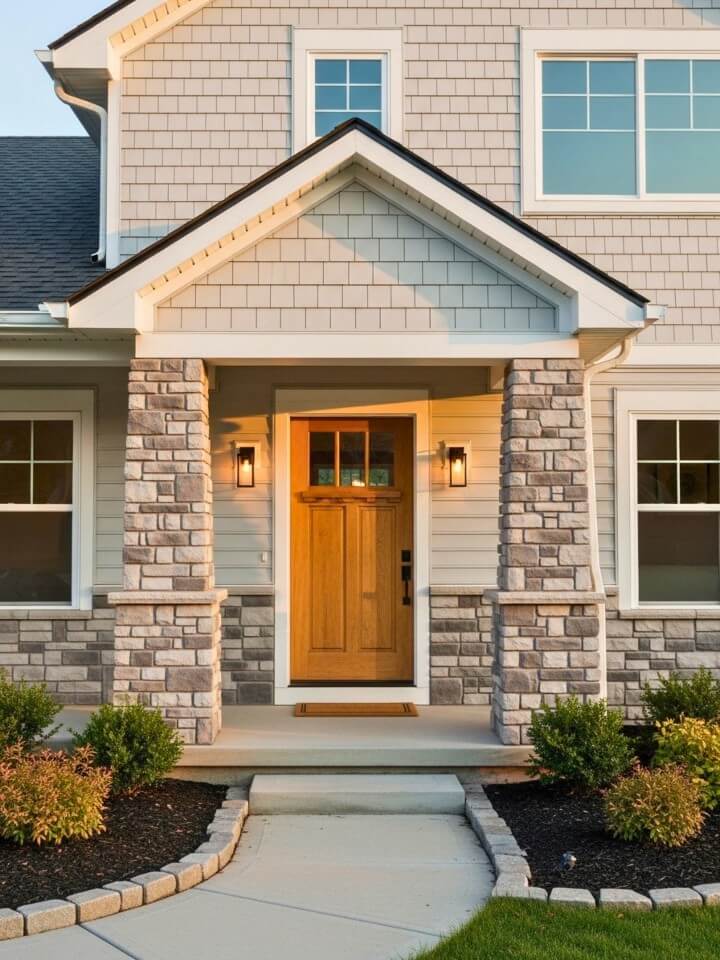
Think of stone veneer as exterior jewelry. A little goes a long way, and overdoing it on a small home will swallow the architecture instead of elevating it. The smartest application is a single focal zone: the entry wall, the lower third of the front façade, or a chimney chase running up one side.
Getting the Stone-to-Siding Ratio Right
Manufactured veneer runs roughly $12–$20 per square foot installed and weighs a fraction of real stone, so structural reinforcement is rarely needed. Pull stone tones directly from your roof or siding palette — clashing stone is the most common error on smaller homes. Two low uplights at night make the entry carry the whole front elevation.
6. Cedar Shingle Coastal Cottage Siding
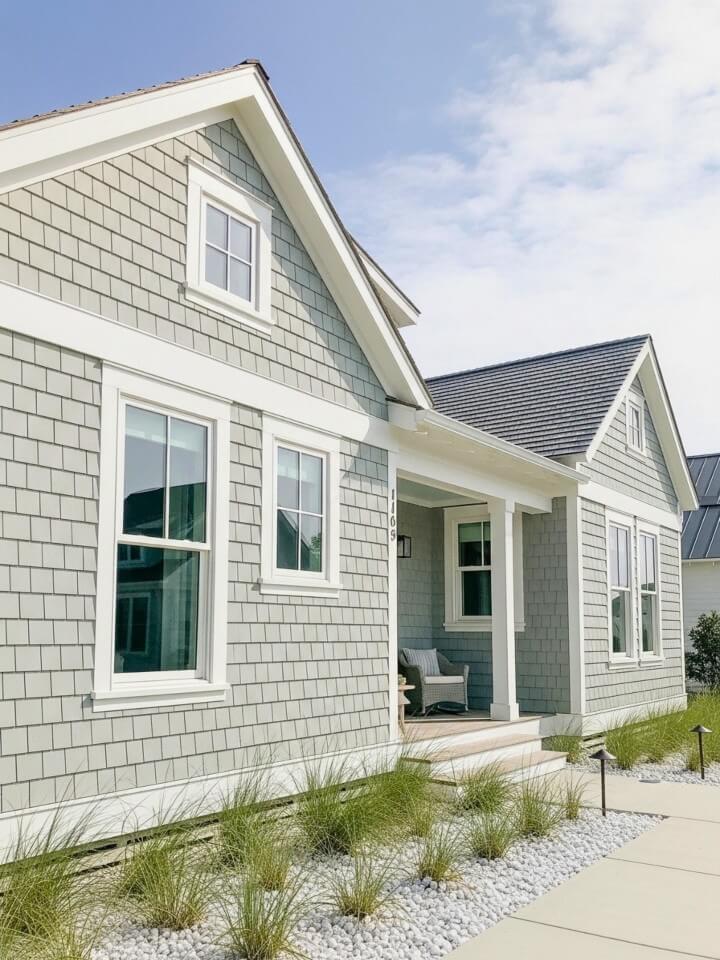
Cedar shingles bring a weathered, hand-laid texture that flat siding simply cannot match. On a small home, that broken-up surface softens hard rooflines and makes compact shapes feel relaxed instead of cramped. Light gray, sand, and driftwood tones suit the style best, especially when paired with white trim or muted blue shutters around the front windows.
Untreated shingles silver naturally over five to seven years, which looks gorgeous but isn’t maintenance-free. Expect to wash them every couple of years and replace cracked shingles individually as they appear. Pre-dipped cedar from suppliers like Maibec lasts noticeably longer than raw shingles stained on-site after installation.
7. Smooth Stucco Siding for Clean Minimalist Homes
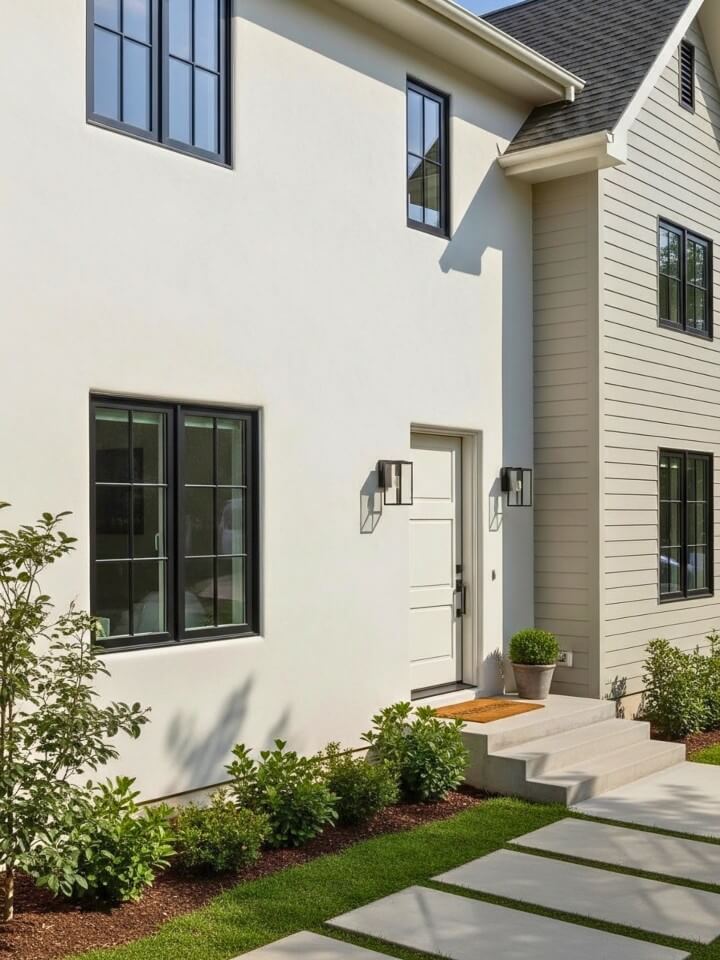
Stucco delivers a continuous, monolithic surface that strips visual noise off a small façade. Without the shadow lines of lap or batten siding, the eye reads the whole wall as one calm plane — which is exactly why minimalist and Mediterranean-influenced architects keep returning to it. Soft white, warm beige, and pale gray finishes work especially well alongside black-framed windows.
Why Climate Should Drive Your Decision
Stucco performs brilliantly in dry, stable climates but cracks under freeze-thaw cycles and heavy moisture exposure. If winters bring real cold, ask your contractor about a three-coat system with a proper drainage plane behind it. Cutting corners on the substrate is what causes the hairline cracks you see on aging stucco homes.
8. Two-Tone Horizontal Siding Design
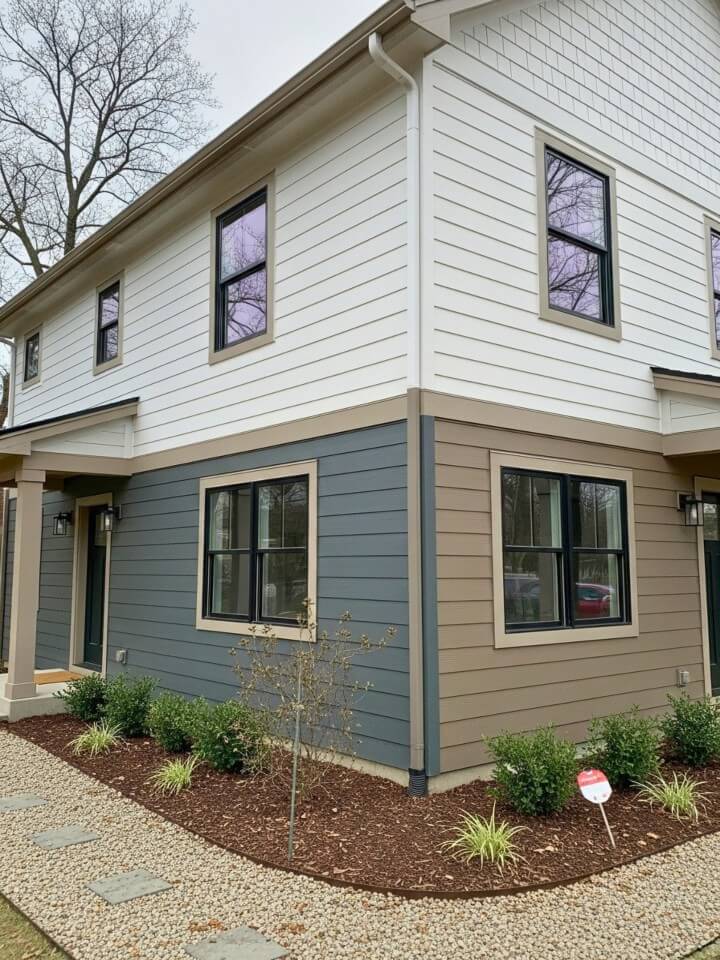
A two-tone façade breaks up long, flat walls without resorting to a second material. The eye registers two shades as a deliberate design choice rather than a builder shortcut, and the gentle contrast adds a sense of proportion that single-color exteriors often lack on modest homes. Modern farmhouse and transitional builds wear this approach especially well.
Where the Color Should Split
The rule of thumb: place the darker shade on the lower third to ground the structure, or split at a natural architectural break like a porch roofline. Splitting mid-wall with no reference point looks accidental. Keep both tones within the same color family — sage with olive, or cream with mushroom — for a polished result.
9. Standing Seam Metal Siding Ideas
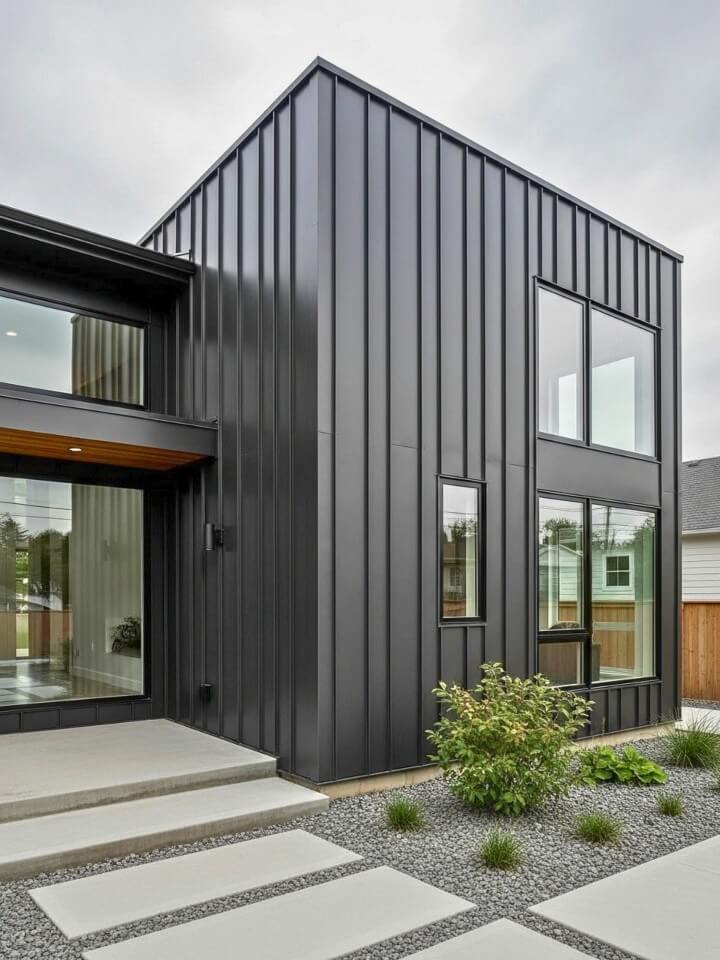
Explore trendy small house siding ideas that blend modern style, durability, and cozy cottage charm. Standing seam metal isn’t just for roofs anymore. Run vertically along an accent wall or across a full façade, those raised seams create crisp shadow lines that define a small home’s geometry without adding bulk. Matte black, weathered bronze, and gunmetal gray finishes have become especially popular on contemporary and modern farmhouse builds over the past few years.
Two concerns come up constantly. First, properly installed metal siding with rigid foam insulation behind it is no louder than wood lap during rain. Second, expect $10–$16 per square foot installed — more than vinyl, but the 40-plus-year lifespan often makes it cheaper over time than mid-grade alternatives.
10. Whitewashed Wood Siding Look
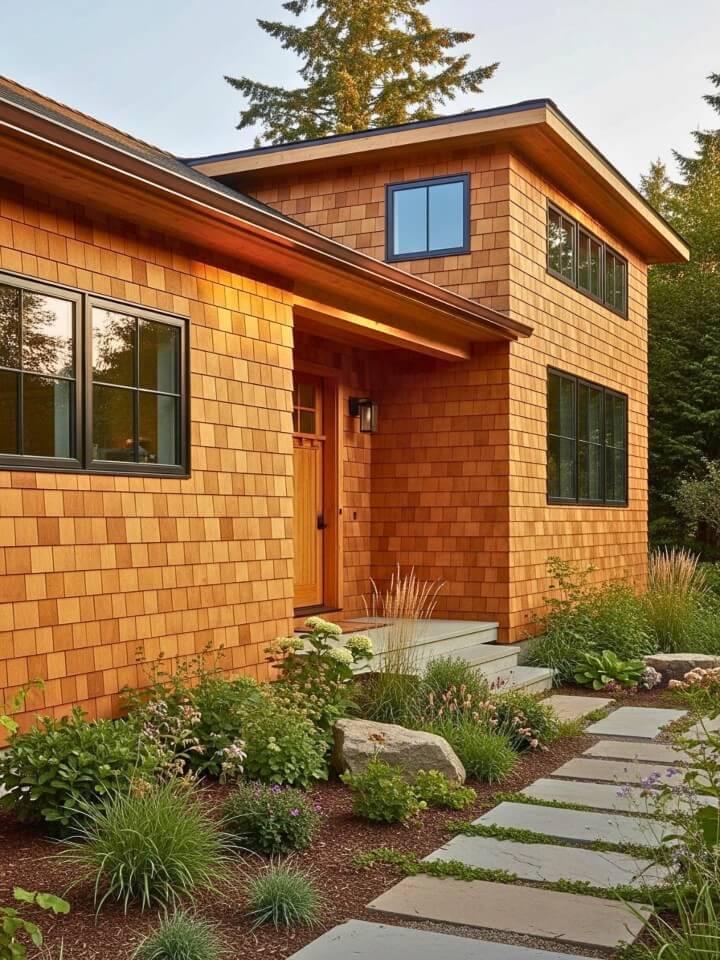
Whitewashing thins white paint or stain enough to settle into the grain rather than cover it, letting the wood’s character show through a soft, sun-bleached veil. The result feels lived-in from day one — perfect for cottages, cabins, and small homes that lean coastal or rustic. Pale finishes also bounce light around shaded lots beautifully.
Getting the Finish Right the First Time
Cedar and pine take whitewash differently, so test on a leftover board before committing. A 50/50 mix of water and exterior latex paint produces the most natural look; lime-based washes age more dramatically but require resealing every three to four years. Always brush in the direction of the grain to avoid streaking.
11. Low-Maintenance Fiber Cement Siding
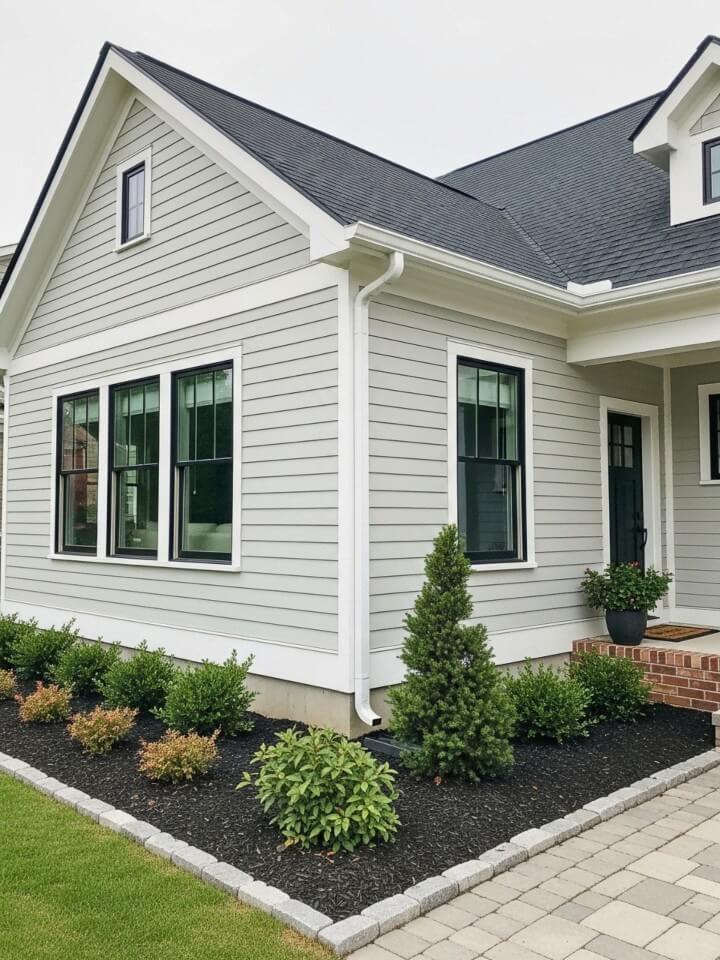
Few materials match fiber cement for sheer practicality. It shrugs off termites, doesn’t feed mold, resists fire, and holds factory paint for 15 years or more before needing a refresh. On a small home, that translates to weekends spent doing anything other than scraping and repainting. Brands like James Hardie and Allura dominate the category for good reason.
The material is forgiving; the installation isn’t. Improperly caulked joints and missed flashing details are where fiber cement homes start failing early. Ask specifically about butt-joint flashing, gaps left at trim boards for expansion, and whether they’re using stainless or galvanized nails — coastal air eats the cheap ones quickly.
12. Painted Brick and Siding Combo for Classic Charm
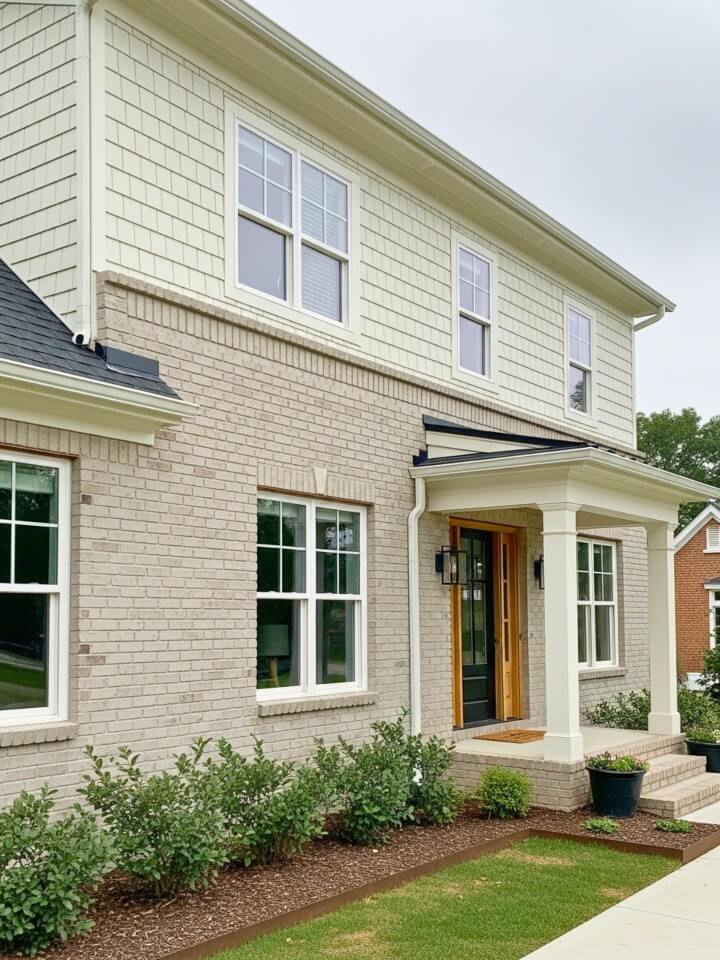
There’s a reason this pairing keeps showing up on real estate listings — it photographs beautifully and ages with grace. Painted brick on the lower walls or chimney chase gives a small home a sense of weight and history, while lap or shake siding above keeps the upper structure feeling light. Soft whites, mushroom grays, and warm creams blend the two materials most naturally.
Prep Is Everything With Painted Brick
Skipping the prep is how painted brick ends up peeling within two years. Brick needs a thorough cleaning, a full year of cure time if it’s new, and a masonry-specific primer before topcoat. Mineral-based paints breathe better than acrylic and resist the bubbling that ruins shortcut paint jobs.
13. Charcoal Siding with Wood Accents
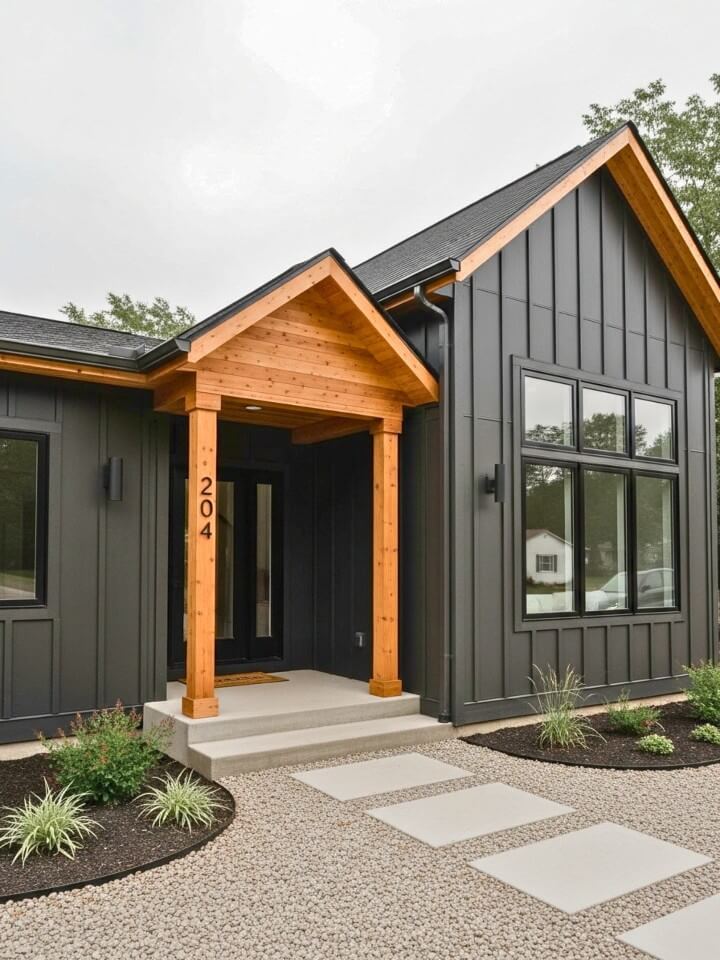
Charcoal alone can feel cold; add a strip of natural wood around the entry or under a gable, and suddenly the whole exterior warms up. The contrast is what makes this combination work — deep matte siding as the base, with cedar, ipe, or thermally modified ash framing the architectural details that matter. Modern rustic and Scandinavian-influenced homes carry the look effortlessly.
Picking a Wood That Actually Lasts
Untreated cedar weathers gracefully but needs sealing every 2–3 years to keep its color. Ipe lasts 40 years untreated but costs three times more. Thermally modified woods like Kebony land in the middle — long-lived, sustainable, and stable through humidity swings.
14. Narrow Vertical Siding Profile
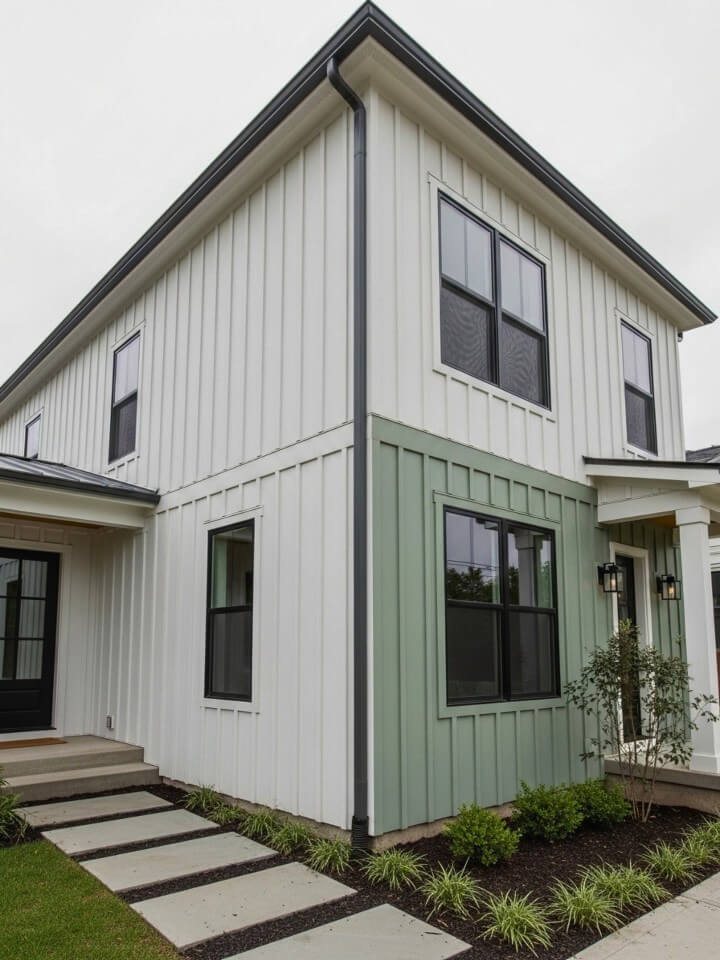
Tight, narrow vertical boards create rhythm — the kind of subtle visual cadence that makes a small façade feel intentional rather than plain. The effect is closer to fluted concrete than traditional siding, which is why architects keep specifying it on modern infill homes. Charcoal, putty, and bone white all read sharper in this profile than in standard lap.
Why Reveal Width Changes the Whole Look
A 4-inch reveal feels refined and contemporary; jump to 8 inches and the same wall starts reading rustic and barn-like. Smaller homes generally look best with the narrower spacing — wide reveals exaggerate scale and can make the structure feel oddly stretched, especially on single-story builds with low rooflines.
15. Engineered Wood Siding Options
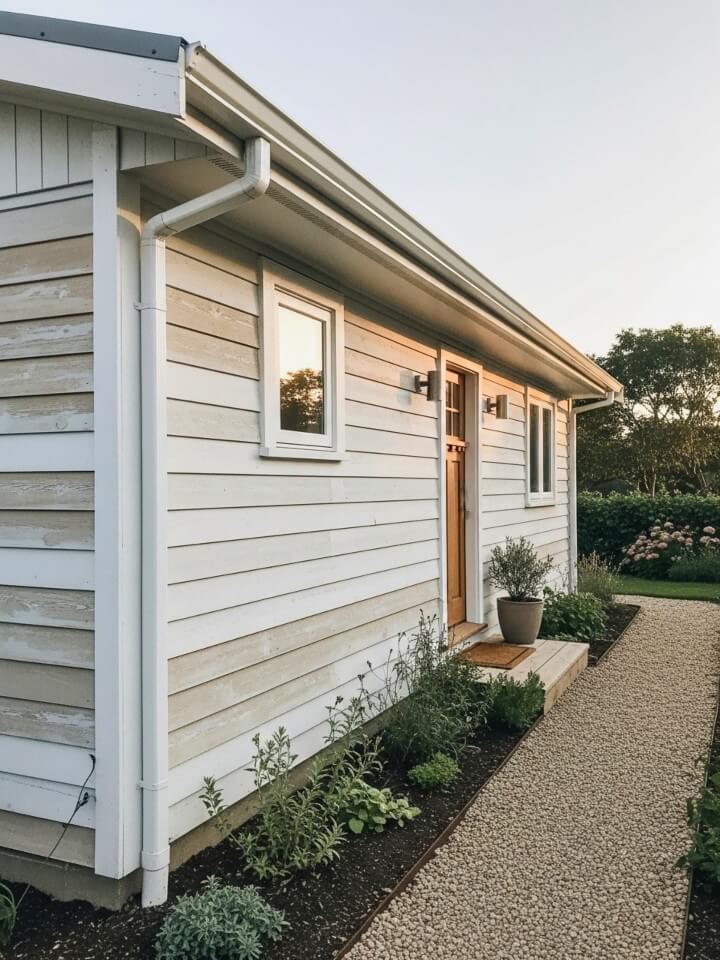
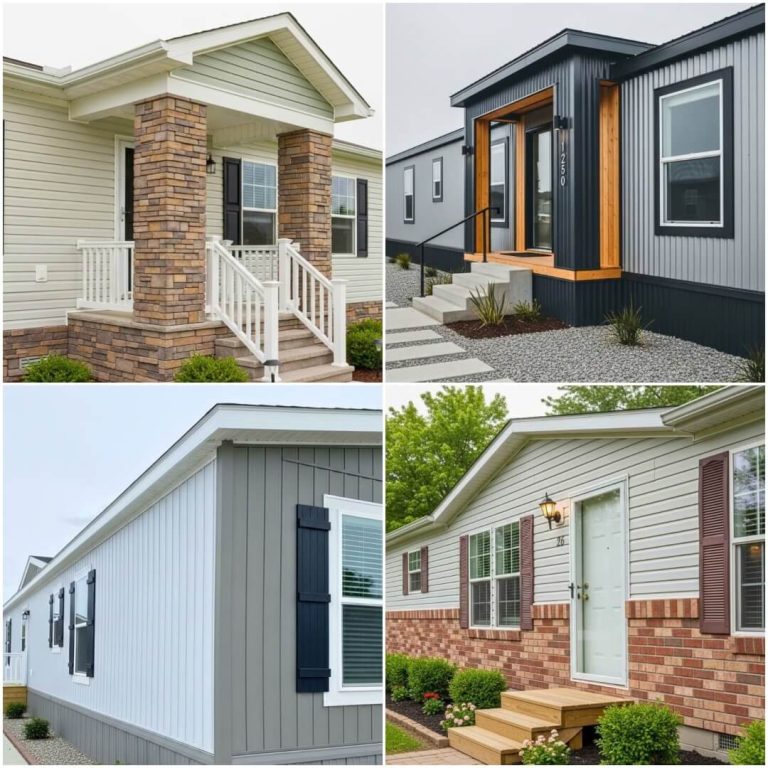
Brilliant vinyl siding ideas for small homes to enhance exteriors with color, texture, and lasting value. Engineered wood — LP SmartSide is the household name — gives you the warmth and texture of real wood with none of the rotting, splitting, or carpenter-bee headaches that plague cedar. It accepts paint beautifully, comes pre-primed, and installs faster than fiber cement because it’s lighter and easier to cut on site. The same balance of durability and warmth also makes it worth considering for mobile home siding ideas where weight, cost, and speed matter.
Expect to pay around $6–$10 per square foot installed, sitting comfortably between vinyl and fiber cement. The 50-year limited warranty beats most competitors on paper, though actual performance depends heavily on keeping the bottom edge well above grade and properly flashed at every penetration.
16. Split-Level Mixed Material Siding
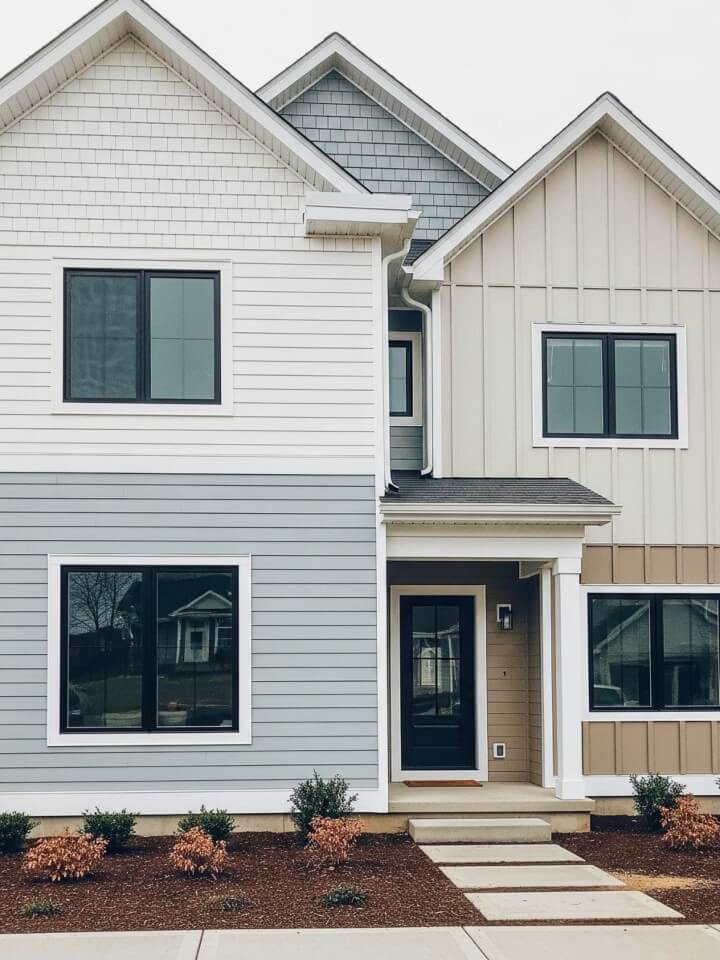
Split-level homes carry an awkward architectural reputation, but the right siding strategy turns that stepped footprint into an advantage. Use one material on the lower level and a second above to emphasize the natural break — the eye stops reading the home as small and starts reading it as layered. Lap below with vertical above is the classic combination.
The Proportion Rule That Keeps It Balanced
Aim for a 60/40 split between the two materials, never 50/50. Equal halves create visual tension; an uneven divide reads as deliberate. Whichever material covers more square footage should be the quieter of the two, letting the smaller section act as the accent rather than competing for attention.
17. Board and Batten with Stone Base for Grounded Design
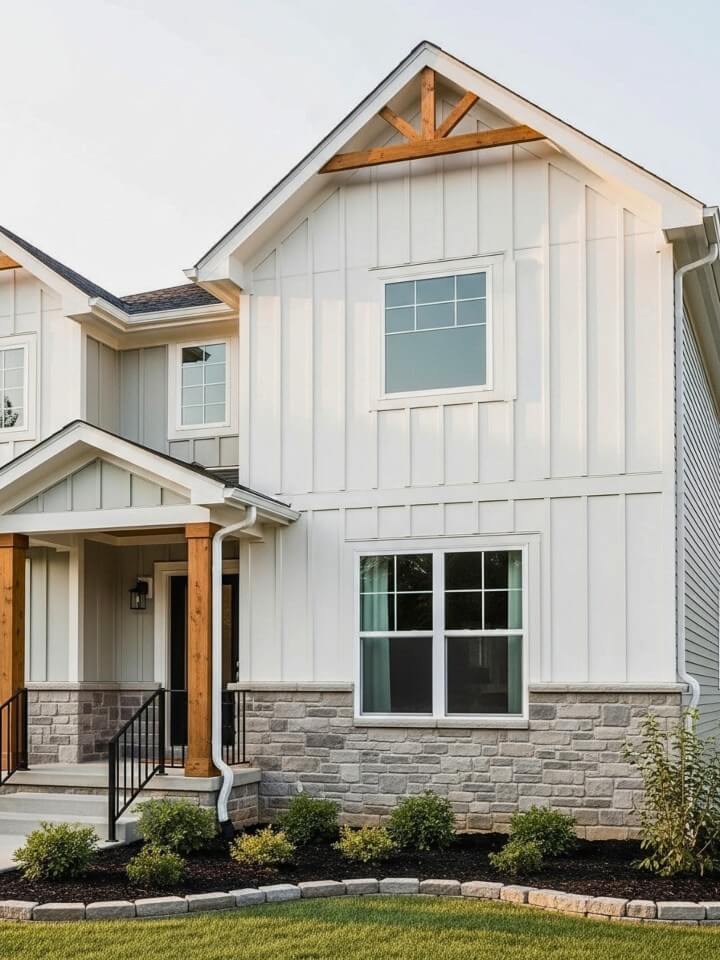
Stacking board and batten over a stone wainscot is one of the most reliable ways to add presence to a small home. The stone anchors the structure visually, the vertical battens add height above it, and the combination feels rooted without looking heavy. Farmhouse and modern rustic builds wear the pairing especially naturally.
Getting the Stone Height Right
Stop the stone too low and it looks like an afterthought; carry it too high and it overwhelms the siding above. The sweet spot is typically 30–40 inches — about windowsill height — which provides genuine weight without dominating the façade. Cap the stone with a proper sill course to keep water from running behind the siding.
18. Textured Stucco with Wood Trim
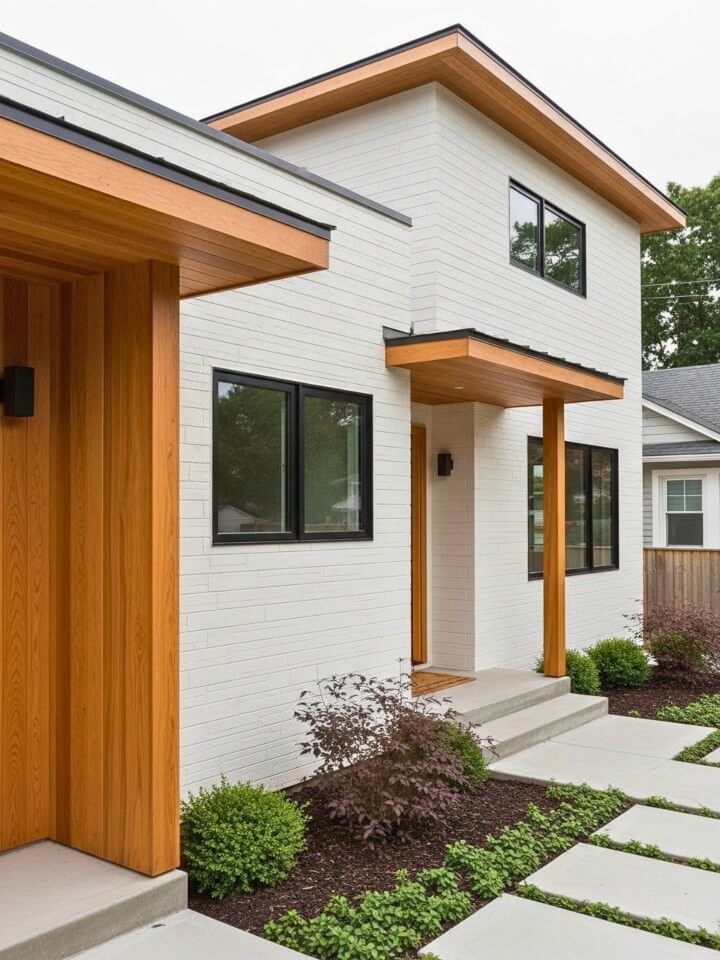
Sand-float and lace stucco textures catch shadow differently than smooth finishes, giving small homes a subtle hand-crafted feel that flat surfaces miss. Pair that softness with a single panel of vertical cedar or oak at the entry, and the whole exterior settles into a warm, restrained palette. Courtyard-facing walls and compact two-story façades suit this combination best.
Choosing the Right Texture Depth
Heavy textures hide imperfections but read busy on small walls; ultra-smooth shows every flaw and demands an expert applicator. A medium sand finish is the most forgiving middle ground — enough character to feel intentional, fine enough to stay calm at the modest scale of a smaller home.
19. Horizontal Siding with Black Window Frames for Contrast
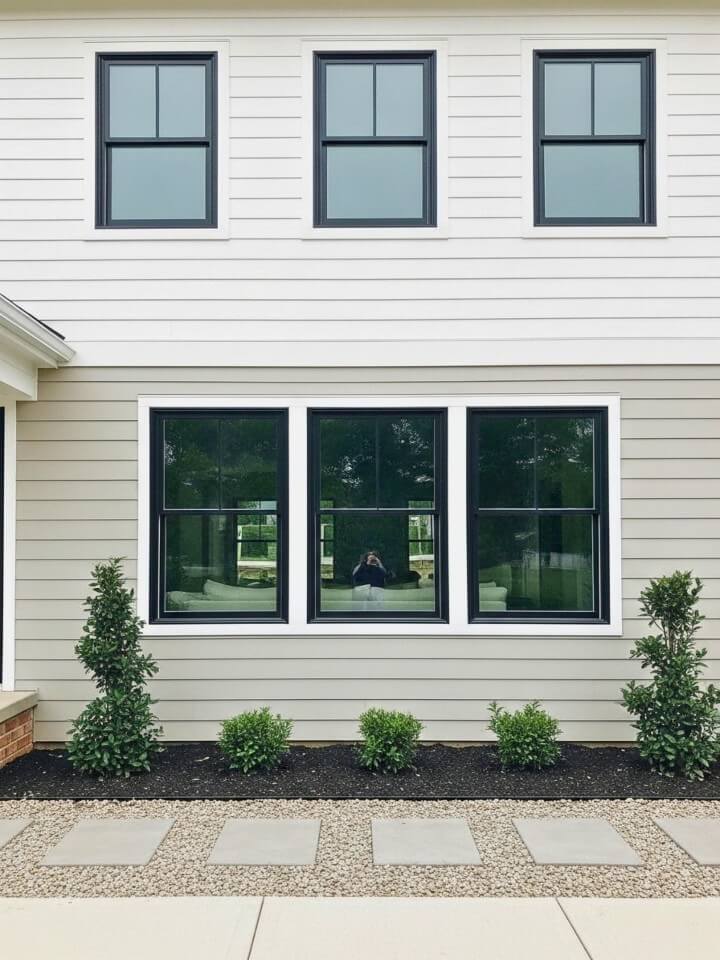
Black windows have moved from architectural flourish to mainstream staple, and for good reason — they create instant definition against neutral siding without requiring trim contrast, second materials, or expensive detailing. On a small home, that single design move can do the work of three other decisions.
Frame Material Matters More Than You’d Think
Painted vinyl windows fade and chalk within a decade, especially in full sun. Fiberglass and aluminum-clad wood hold their black finish far longer and won’t telegraph wear on the most visible part of your façade. Andersen, Marvin, and Pella all offer factory black finishes with warranties that paint-on retrofits simply cannot match.
20. Painted Shake Siding for a Cozy Cottage Exterior
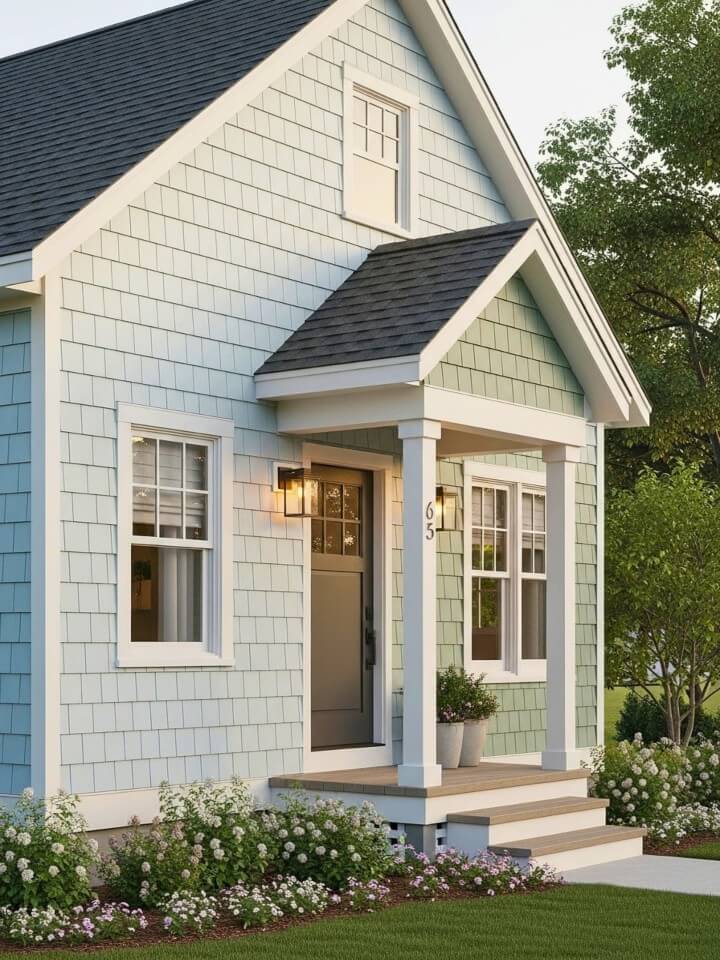
Shake siding casts tiny shadow lines across the wall that flat boards never produce, and on a small home that texture transforms a plain gable into something that feels handcrafted. Painted shakes in soft sage, dusty blue, or muted cream fit cottage architecture perfectly, especially around dormers or upper-story accents.
How Often You’ll Actually Need to Repaint
Quality factory-painted shake — like Hardie Shingle or Cedar Impressions — holds color for 15+ years. Field-painted cedar shakes need refreshing every 5–7 years, sometimes sooner on sun-exposed walls. If repainting on a ladder every few summers doesn’t appeal to you, the upfront cost of pre-finished product pays back quickly in saved weekends.
21. Layered Gray Siding Tones
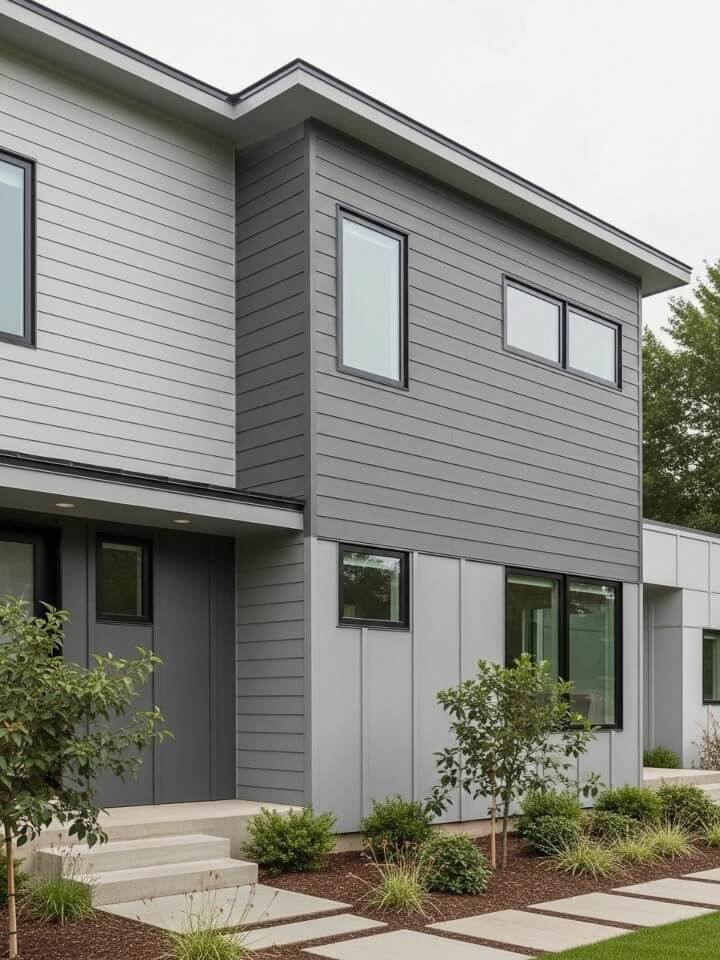
Layering two or three gray shades across a façade creates depth that single-color homes never achieve, yet stays calm enough not to read as busy. Warm grays balance cool grays beautifully, and the entire palette flexes across modern, transitional, and minimalist architecture without committing to any single style.
Grays shift dramatically depending on time of day, surrounding foliage, and roof color. A swatch that looks perfect indoors can turn lavender, green, or blue once it hits exterior light. Paint two-foot squares directly on the siding, watch them through a full day, and only then commit. This single step prevents the most expensive exterior regret homeowners report.
Frequently Asked Questions
Everything small homeowners typically want to know about siding materials, costs, and color choices before renovating.
What’s the Most Affordable Siding Option for A Small House?
Vinyl siding remains the most budget-friendly choice, typically costing $4–$8 per square foot installed. It requires little upkeep and comes in dozens of colors and profiles, making it a practical starting point for homeowners working with tighter renovation budgets.
How Do I Choose a Siding Color for A Small Home?
Lighter, warmer tones generally make compact homes feel larger and more inviting, while dark colors add drama but absorb heat. Always test paint swatches outdoors across a full day before committing, since lighting and surrounding foliage can shift how a shade actually reads.
Can I Mix Two Different Siding Materials on A Small House?
Yes, but limit yourself to two materials maximum. Combining wood accents with fiber cement or stone with board and batten adds depth without overwhelming a smaller façade. Three or more materials together tends to look cluttered and unintentional rather than designed.
How Long Does Siding Installation Typically Take?
Most small homes take anywhere from three days to two weeks, depending on material choice and square footage. Vinyl and engineered wood install faster than fiber cement or stone veneer, which require more precise cutting, flashing work, and curing time.
Does Siding Choice Affect Home Resale Value?
Absolutely. Updated, well-maintained siding consistently ranks among the highest return-on-investment exterior upgrades, often recouping 70–90% of project cost at resale. Fiber cement and quality vinyl tend to perform especially well, since buyers associate them with low future maintenance needs.
Conclusion:
The smartest siding choice isn’t always the trendiest one — it’s the one that fits how your house actually sits on its lot, how much time you want to spend on upkeep, and how you want to feel pulling into the driveway every evening. Pick two or three favorites from these small house siding ideas, tape paint swatches to the wall, and live with them for a week before deciding. Exteriors aren’t a quick weekend project, but they’re one of the few investments that pay you back every single time you come home. Choose something you’ll still love five winters from now.