31 Kdarchistyle Landscaping Layouts To Save for Later
Your front yard looks fine — but fine is forgettable. Maybe the lawn is mowed, the edges are neat, and yet something about the whole picture feels flat, unfinished, like a room with furniture but no personality. That gap between “maintained” and “genuinely beautiful” is exactly where 31 impressive Ideas For Landscaping Kdarchistyle lives.
Good outdoor design does not require a big budget or a professional crew. It requires knowing which moves actually matter — the ones that add depth, draw the eye, and make a space feel lived-in rather than just maintained. A single raised bed, a well-placed stone path, or the right climbing plant on a bare fence can shift how the entire yard reads.
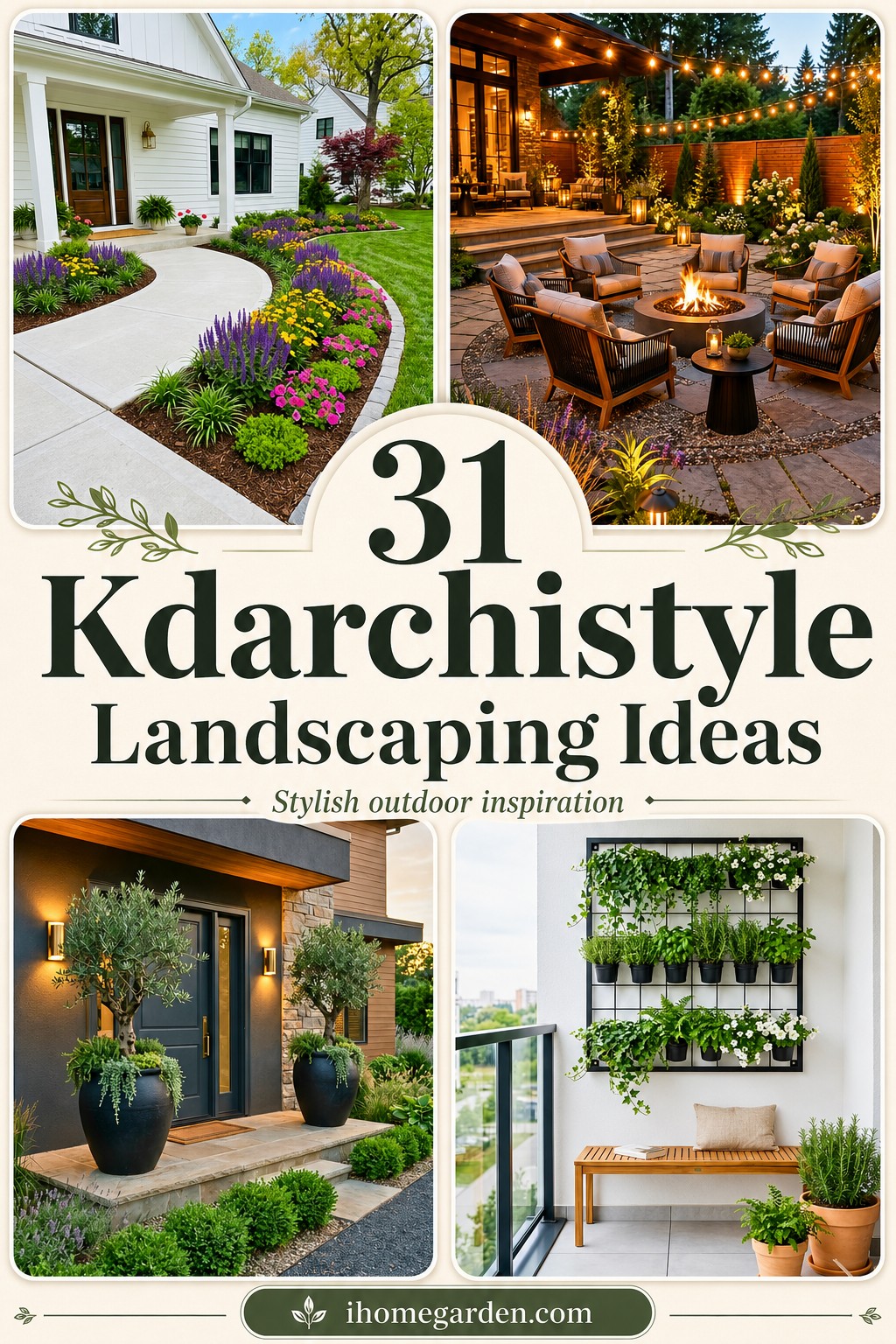
What follows covers everything from fire pit areas and privacy hedges to vertical gardens and minimalist ground covers. Whether you have a sprawling backyard or a tight side yard, there is something here worth stealing. Keep reading.
1. Flower Borders That Frame Your Home Beautifully
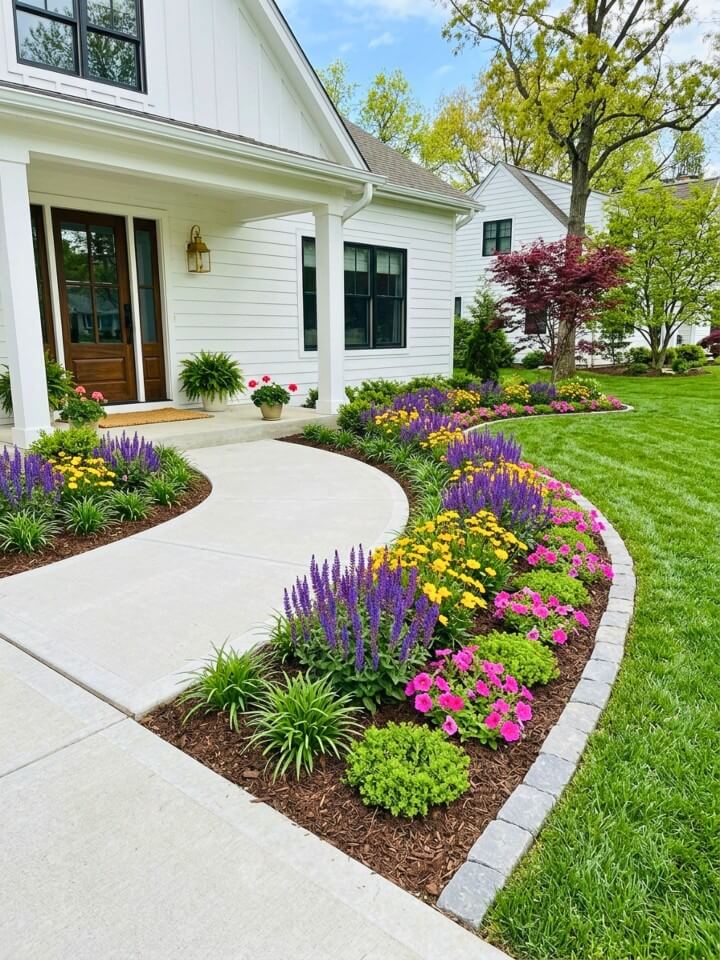
A flower border along a walkway or front yard edge works because it draws the eye along a line rather than leaving it to wander. Choose a combination of early spring bulbs, summer perennials, and late-season bloomers so something is always in color. Repeating one or two anchor plants at regular intervals gives the border a composed look without feeling too formal. Black-eyed Susan, salvia, and ornamental allium are reliable choices that return each year with minimal intervention. Keep the border between 18 and 36 inches wide — narrow enough to maintain from one side without stepping in.
Keeping It Looking Full: Fill gaps between perennials with annuals during the first season while permanent plants establish. Deadheading spent blooms regularly encourages continued flowering through summer.
2. Layer Plants by Height for a Welcoming Front Yard
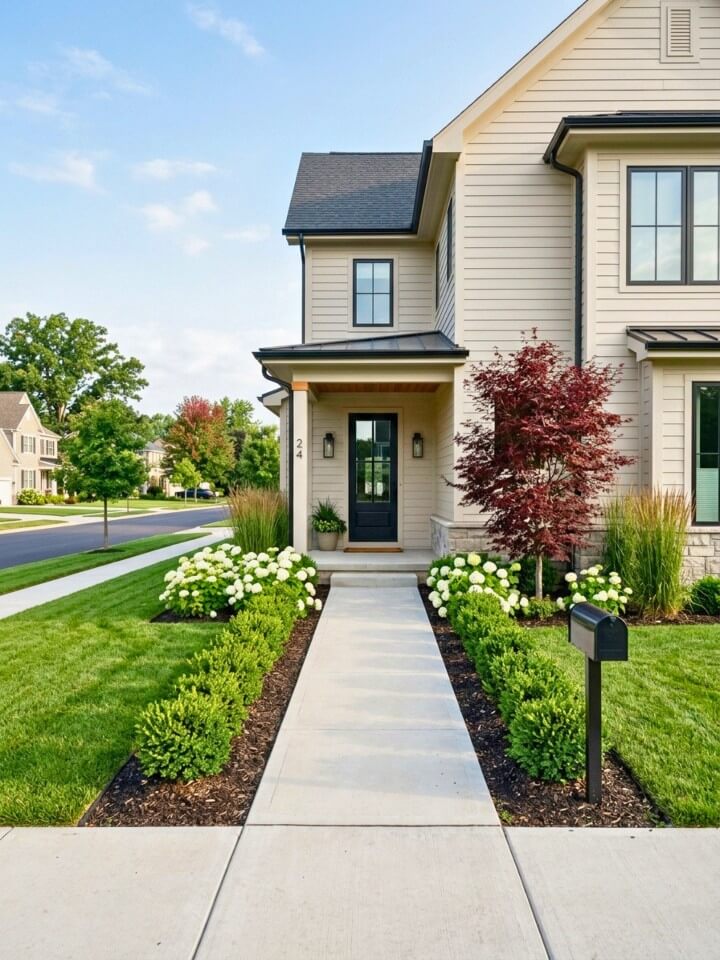
Layering plants of different heights turns a flat front yard into something that actually looks designed. Place low-growing shrubs like boxwood or dwarf spirea near the walkway, mid-height perennials along the foundation, and taller ornamental grasses or small flowering trees toward the back corners. This creates visual depth without overcrowding the space. Native plants work particularly well here since they adapt to local conditions with minimal effort. The goal is a yard that looks full and intentional, not just randomly planted.
Choosing Your Plants: Start with two or three plant varieties rather than buying many different types. Odd-numbered groupings, like three shrubs together, tend to look more natural than pairs or straight rows.
3. Stone Pathways That Add Natural Charm
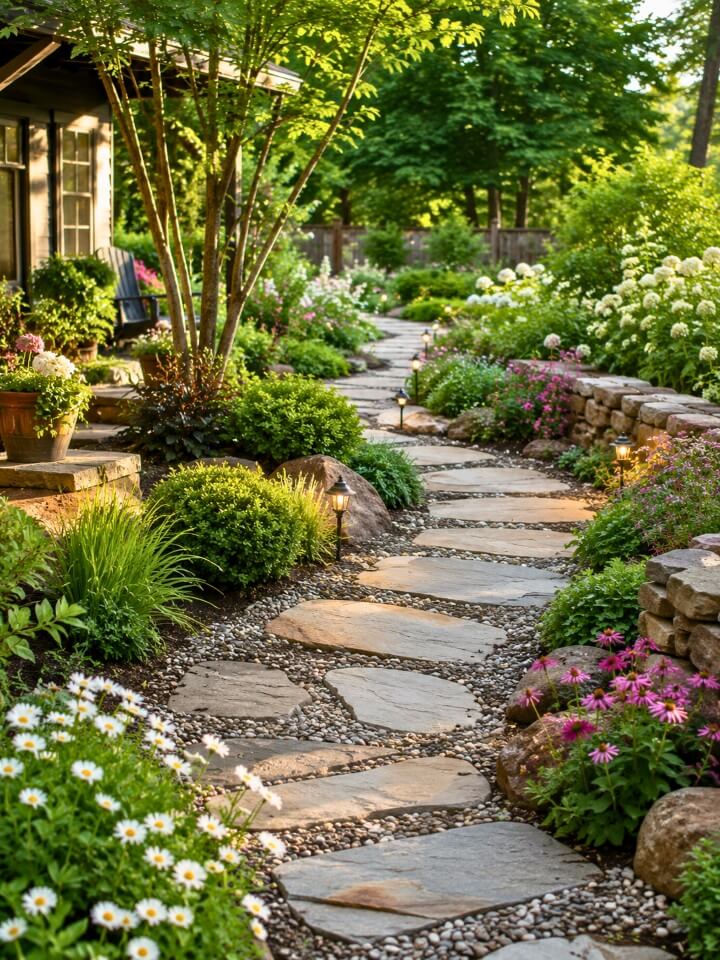
A well-placed stone path does more than connect points — it shapes how the yard feels as a whole. Irregular flagstone creates a relaxed, cottage-style look, while evenly cut pavers lean more contemporary. Keep the path slightly curved instead of perfectly straight, even if the distance is short, since curves naturally slow people down and make the space feel larger. Space stepping stones about 18 to 24 inches apart to match a comfortable walking stride. Planting creeping thyme or moss between stones softens the edges beautifully.
Picking the Right Stone: Bluestone and limestone are durable choices that hold up well in wet conditions. Avoid polished surfaces near garden areas since they become slippery when wet or muddy.
4. Turn a Garden Corner Into a Cozy Seating Spot
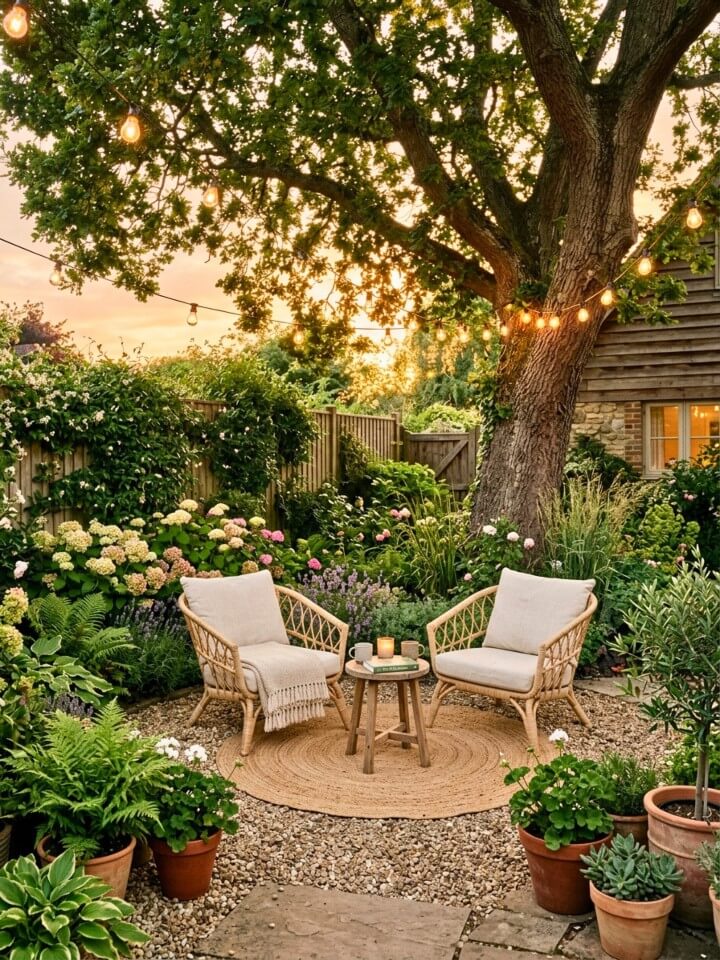
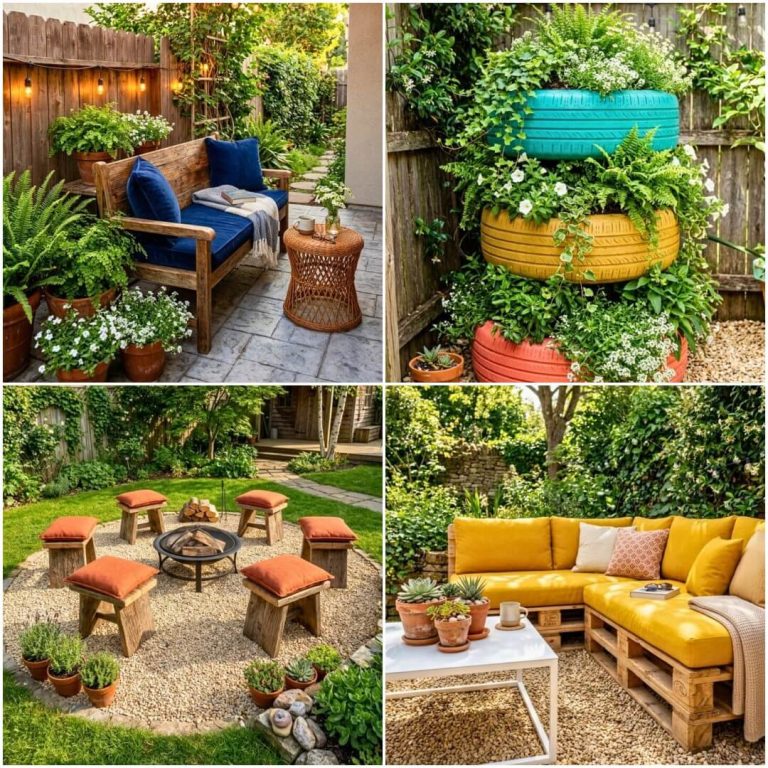
An unused corner of the yard becomes genuinely valuable once there is a reason to sit there. A simple wooden bench, a pair of weather-resistant chairs, or a small bistro set can define the space without requiring much room. Position seating where there is natural shade during afternoon hours, or add a large umbrella if the spot is open. Low-voltage string lights overhead extend the usability into evenings. Keep a small side table nearby for drinks or a book — it is the kind of detail that makes the spot feel finished rather than improvised.
Furniture Material Guide: Teak and eucalyptus wood handle outdoor conditions well without constant maintenance. Metal furniture looks sharp but benefits from cushions to make it comfortable for longer use.
5. Raised Beds for a Clean and Organized Yard
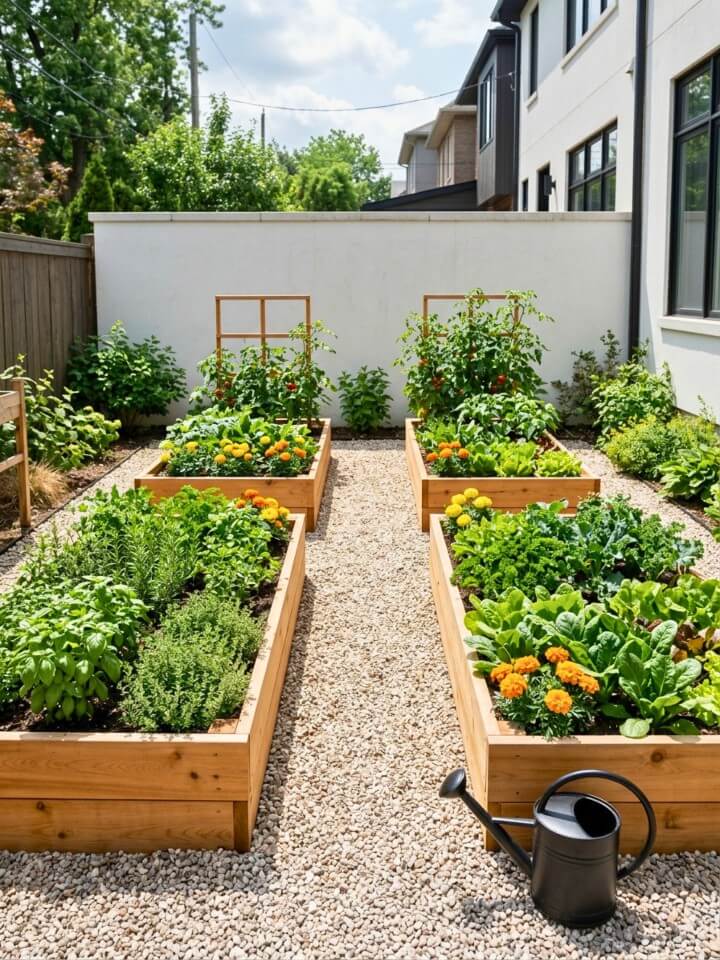
Raised beds add a structured, intentional quality to any yard. Cedar is a popular choice because it resists rot naturally and ages to a soft gray tone over time. Steel beds with a weathered finish have become increasingly popular in modern landscapes and hold their shape for decades. Keep bed widths to around four feet so everything is reachable from either side without stepping in. Fill with a quality mix of topsoil and compost rather than just native soil, which often drains poorly or compacts. Even one well-placed raised bed can significantly improve a yard’s overall appearance.
Height and Placement Tips: Beds between 12 and 18 inches tall are comfortable for most people to work in without kneeling. Position them where they receive at least six hours of daily sunlight.
6. Outdoor Lighting That Highlights Your Best Features
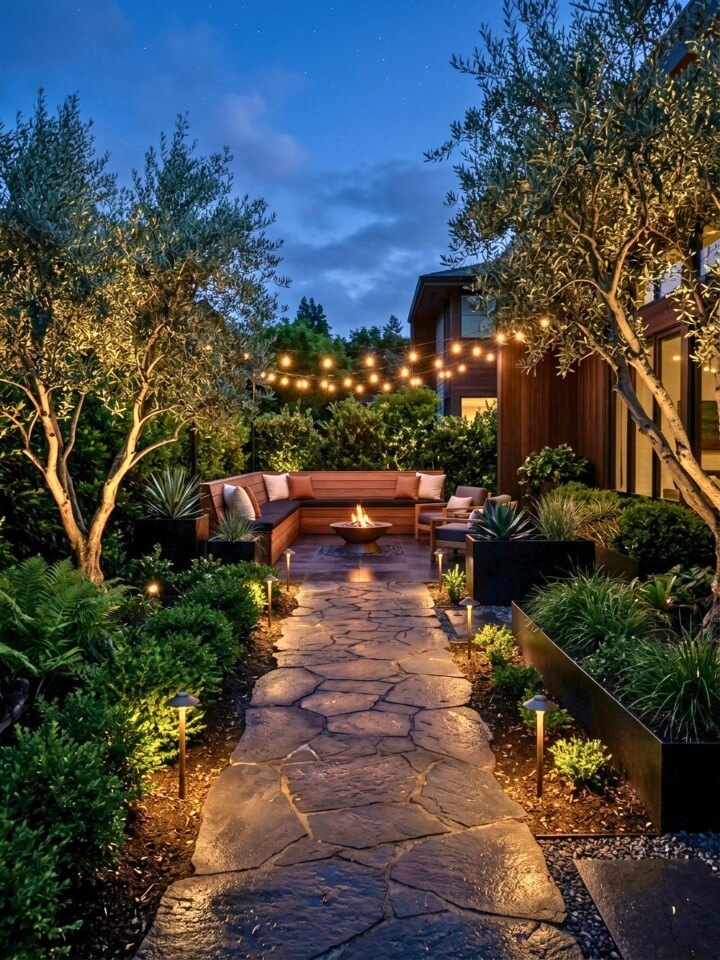
Good landscape lighting changes how the entire yard reads after dark, and it does not require a major installation. Low-voltage path lights along walkways improve safety while adding warm visual structure. Uplighting a single tree or garden wall creates dramatic shadow and depth that daytime light cannot replicate. Stick to warm white bulbs in the 2700K to 3000K range for an inviting atmosphere — cooler bulbs tend to make outdoor spaces feel clinical. Solar-powered fixtures work well for accents, though hardwired systems give more consistent brightness.
Placement for Maximum Effect: Avoid lighting everything equally — contrast between lit and unlit areas creates interest. Focus on two or three key features rather than spacing lights uniformly across the whole yard.
7. Building a Modern Patio With Simple Materials
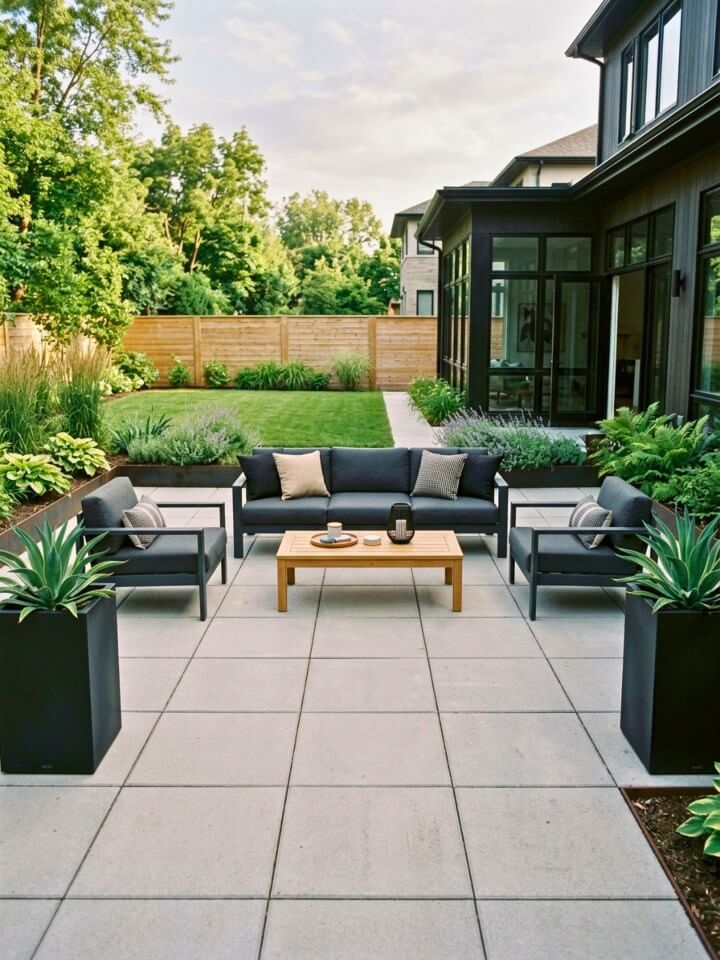
A patio does not need to be complicated to look well-designed. Large-format concrete pavers in 24×24 inch sizes create a clean, contemporary surface that suits most home styles. Natural stone like bluestone or travertine costs more but adds texture that manufactured concrete cannot fully replicate. For a cohesive look, use the same material or matching tones as other hardscape elements in the yard. Leave a small gap between pavers and fill with polymeric sand to prevent shifting over time. A properly prepared gravel base beneath the pavers prevents uneven settling after the first winter.
Sizing the Space: A 10×12 foot patio fits a four-person dining set comfortably. Go larger if outdoor entertaining is a regular priority.
8. Privacy Hedges That Make Your Yard Feel Peaceful
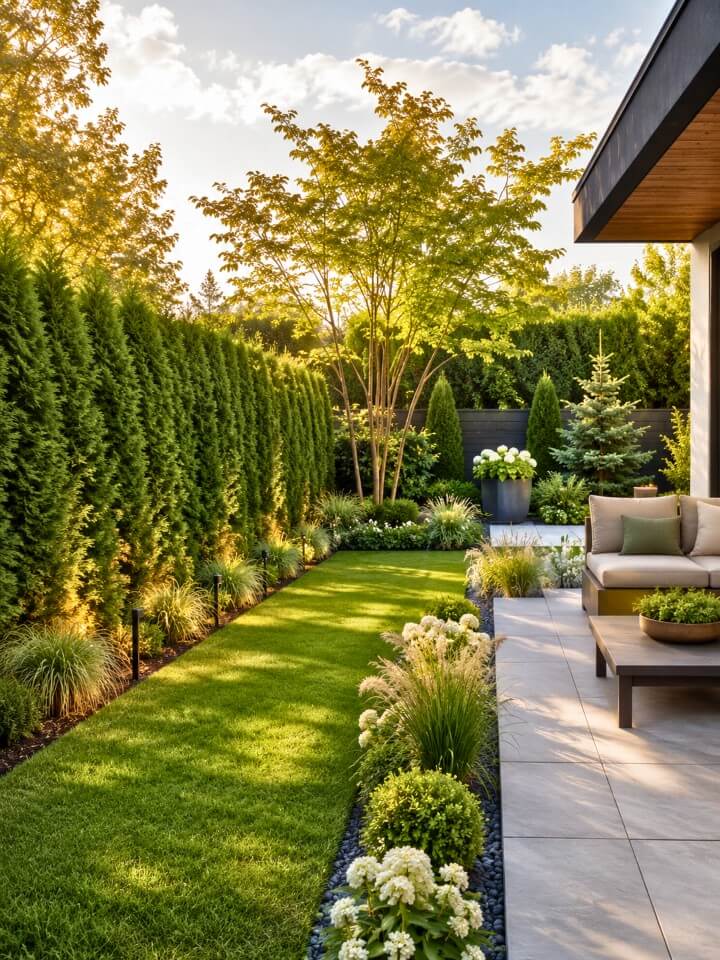
A well-grown hedge does what fences cannot — it absorbs sound, filters dust, and creates a softer visual boundary. Arborvitae is one of the most practical choices for privacy, growing tall and narrow without taking over the yard. Nellie Stevens holly and skip laurel are other reliable evergreens that stay dense year-round. Space plants according to their mature spread rather than current size to avoid crowding later. A staggered double row creates faster coverage than a single line. Hedges also provide habitat for birds, which many homeowners consider a bonus rather than a maintenance problem.
Planting for Faster Results: Planting in early fall gives roots time to establish before winter. Water consistently for the first full growing season to reduce transplant stress significantly.
9. Small Water Features Worth Adding to Any Garden
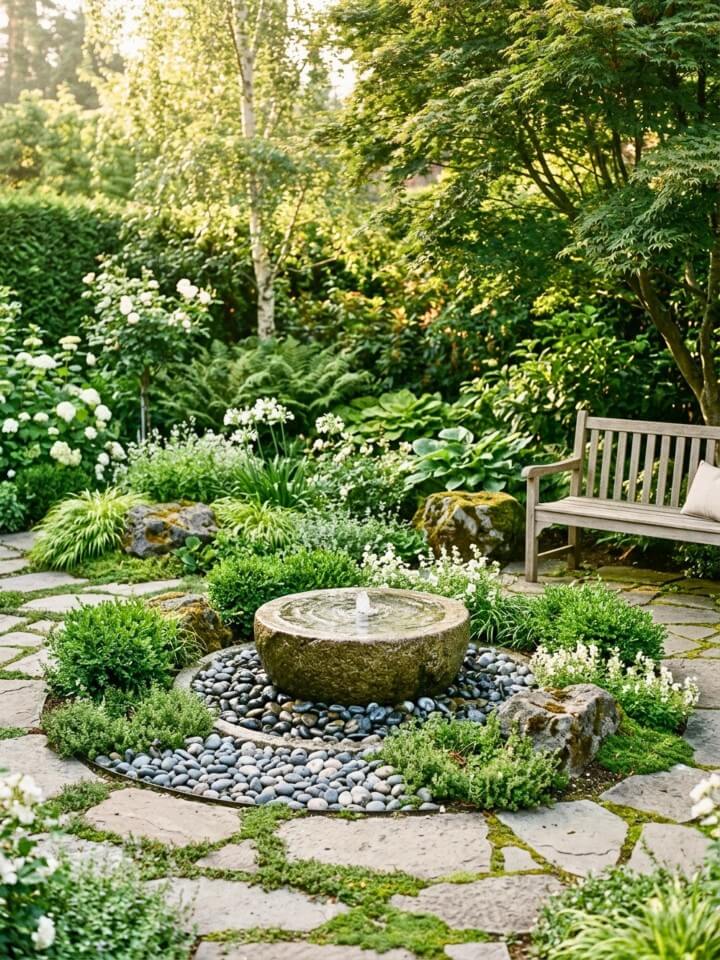
Running water adds something to a garden that plants and hardscaping alone cannot — sound. A small recirculating fountain requires minimal space and connects to a standard outdoor outlet. Pondless waterfall systems work well in yards where a full pond would need too much maintenance. Place the feature close enough to a seating area that the sound is actually audible while sitting. Surround the base with river rock and low moisture-tolerant plants to blend it naturally into the landscape. Clean the pump filter every few months to keep the water moving properly and prevent algae buildup.
Choosing the Right Scale: A feature that is too small disappears visually and sounds too faint to be useful. Match the size to the surrounding space — compact fountains suit patios, larger boulder features suit open garden areas.
10. Use Decorative Gravel for Low-Maintenance Style
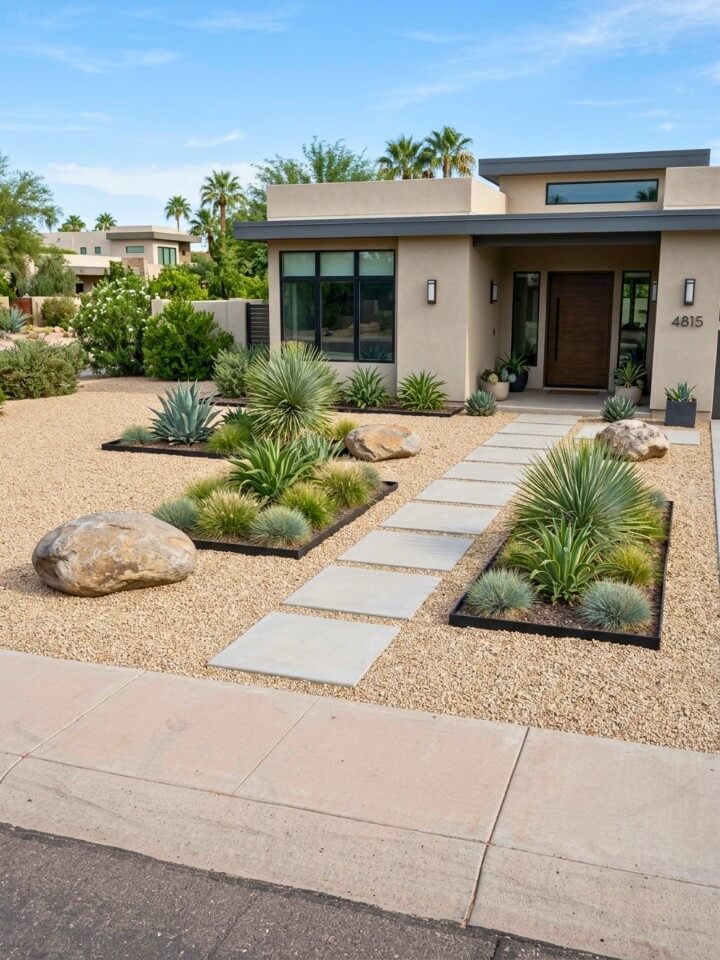
Gravel is one of the most underused tools in residential landscaping. It suppresses weeds, improves drainage, and gives planting beds a finished appearance between growing seasons when plants look sparse. Pea gravel has a softer, rounded texture that suits cottage or relaxed garden styles. Crushed granite and decomposed granite pack more firmly underfoot, making them better choices for pathways.
If you prefer deeper contrast around plants, black mulch landscaping can create a bolder finished look than pale gravel. Lay landscape fabric beneath gravel to prevent it from mixing into the soil below over time. A depth of two to three inches is sufficient for most decorative applications.
Color and Texture Selection: Lighter gravel colors reflect heat, which can benefit plants in shaded beds. Darker tones absorb heat and create stronger visual contrast against green foliage.
11. Frame the Entryway With Statement Planters
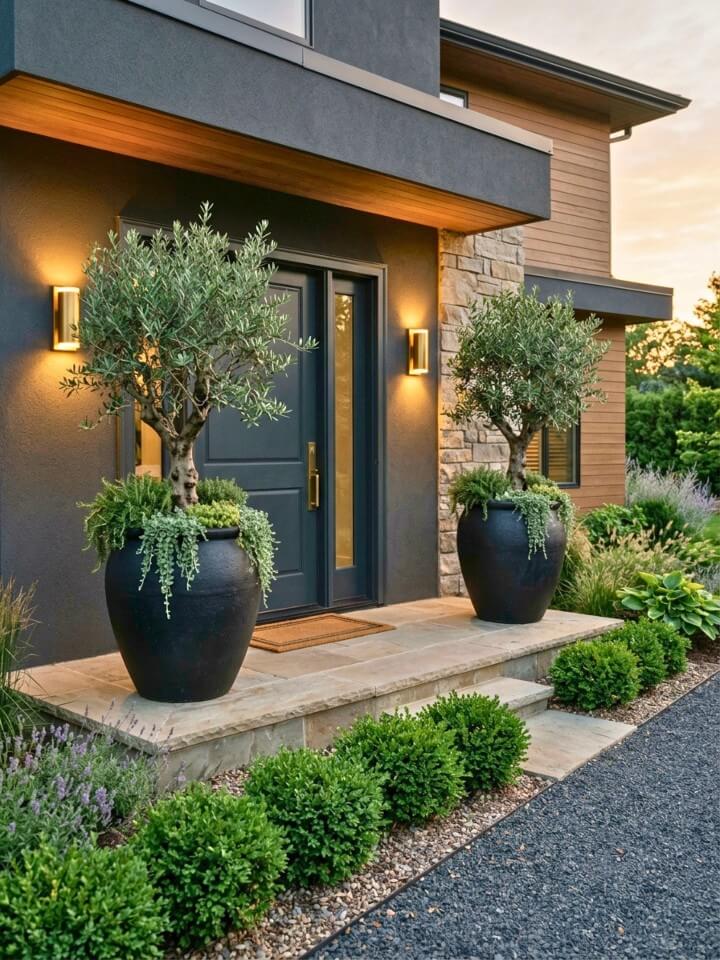
The area directly around a front door receives more attention than almost any other part of the property. Large planters on either side of the entry create symmetry and make the doorway feel more deliberate. Concrete, cast iron, and fiberglass planters in matte finishes hold up well outdoors and are available in sizes that make a genuine visual impact. Choose plants with varying heights within each pot — a tall grass or small shrub in the center, trailing plants around the edges. Refresh the planting seasonally to keep the entry looking current without replacing the containers themselves.
Pot Size and Proportion: Planters shorter than 18 inches often look too small beside a standard door. Taller containers in the 24 to 30 inch range tend to hold proportion better against full-height entryways.
12. Add a Fire Pit Area for Outdoor Gatherings
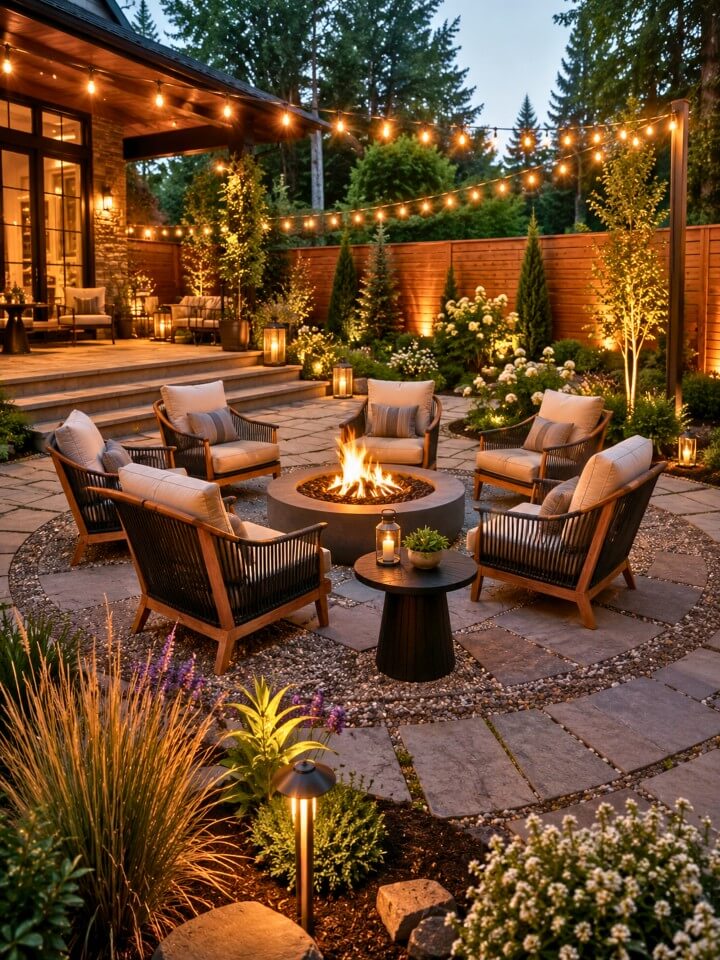
A fire pit works best when the surrounding space is treated as a proper room rather than just a circle of chairs on grass. Define the area with a gravel or paver base extending at least six feet around the pit in all directions — this protects the ground, improves drainage, and makes the space look intentional. Choose seating that is low and angled slightly inward so conversation flows naturally. Keep the pit itself proportional to the space — a 36-inch diameter bowl suits most residential settings without overwhelming the yard. Gas-burning options eliminate ash cleanup while still producing the ambiance most people are after.
Safety and Clearance: Position the fire pit at least ten feet from structures, fences, and overhanging branches. Check local codes before installation, as some areas restrict open burning or require specific pit designs.
13. Use Vertical Gardens for Small Outdoor Spaces
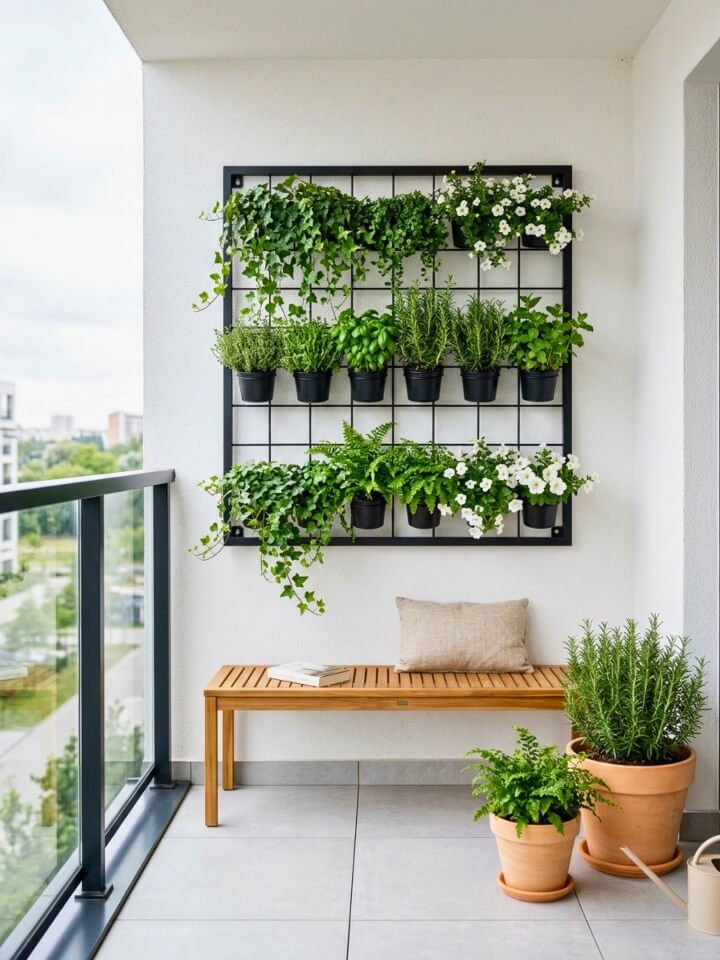
When ground space is limited, walls and vertical surfaces become planting opportunities. A simple wooden trellis mounted against a fence can support climbing vegetables, flowering vines, or trained shrubs within a footprint of just a few inches. Modular wall planter systems allow more flexibility — individual pockets can be swapped out based on season or plant performance. Herbs do particularly well in vertical setups near kitchen doors since they are harvested frequently and benefit from the accessibility. Ensure whatever system you use has adequate drainage so excess water does not pool at the base of the wall.
Irrigation Considerations: Vertical planters dry out faster than ground-level beds, especially in warm months. Drip irrigation run along the back of the structure saves time and keeps moisture consistent across all levels.
14. Rock Gardens That Work With Difficult Terrain
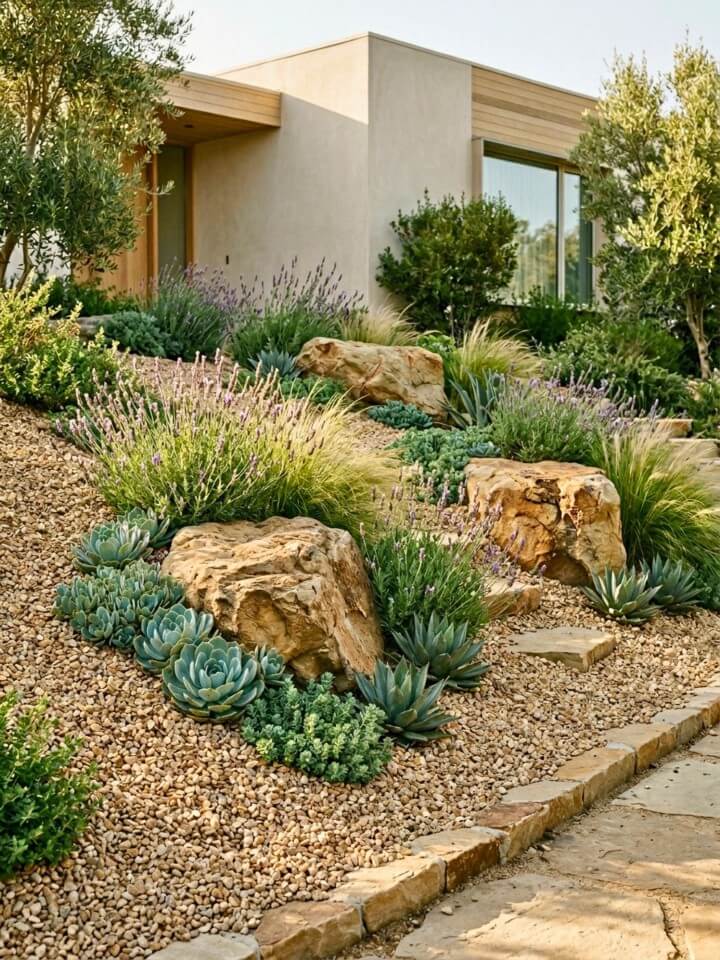
A rock garden earns its place in landscapes where slopes, poor soil, or dry conditions make conventional planting difficult. Set larger anchor stones first, burying roughly one-third of each rock below the surface so they appear settled rather than placed. Fill pockets between rocks with well-draining soil mixed with grit or coarse sand. Sedums, creeping phlox, and low-growing dianthus thrive in these conditions and spread gradually to fill gaps. The most convincing rock gardens reference natural outcroppings — rocks of similar type grouped together rather than a variety of mismatched stones scattered across the space.
Stone Sourcing and Placement: Locally sourced stone looks more natural than imported varieties and is usually more affordable. Arrange rocks with their grain lines running in the same direction for a cohesive, geologically believable result.
15. How a Pergola Changes the Way You Use Your Yard
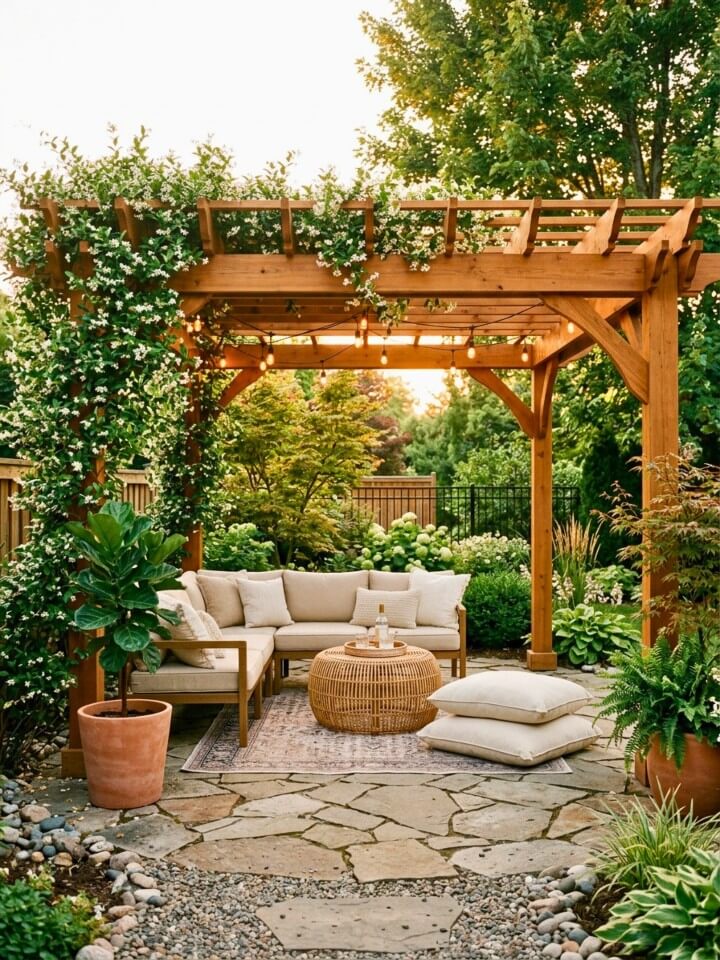
A pergola changes how a backyard is used by creating a defined overhead plane that open patios lack. Pressure-treated lumber is the most common material for residential builds and holds up well with periodic staining. Cedar is a step up in natural durability and has a finer grain. Steel pergolas have gained popularity for their slim profiles and minimal maintenance, though they conduct heat in direct sun. Train wisteria, climbing hydrangea, or grapevines over the structure for natural shade that improves over several growing seasons. The rafters alone provide partial shade — adding a shade sail or polycarbonate panels overhead increases coverage significantly.
Sizing for Function: A pergola covering a dining area should extend at least 12×14 feet to allow chairs to pull out without leaving the covered zone. Smaller structures feel cramped once furniture is placed underneath.
16. Build a Garden Path With Stepping Stones
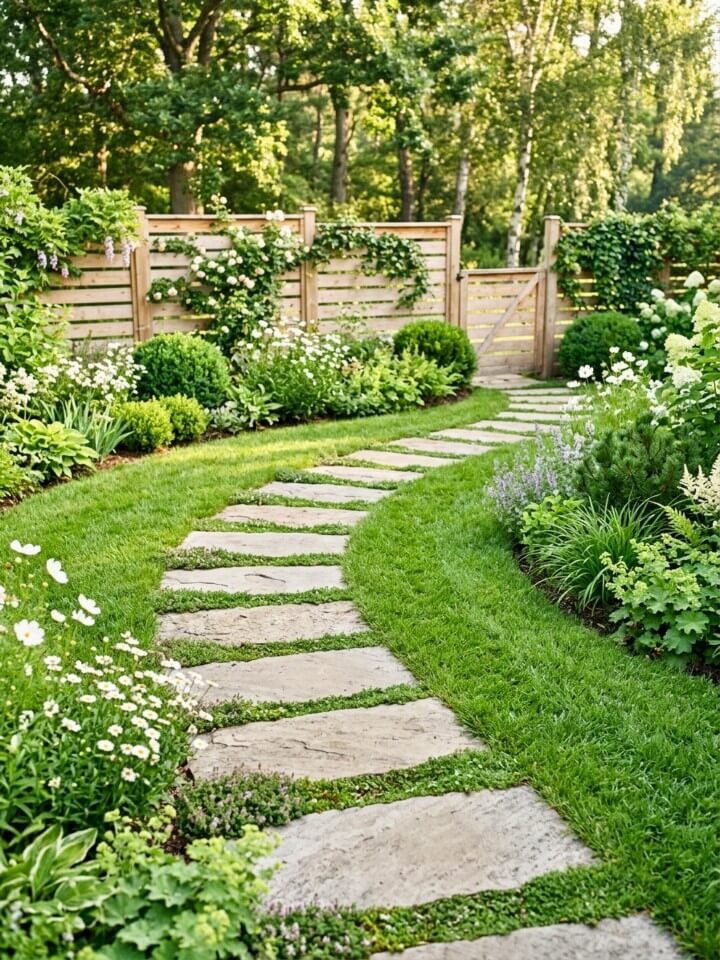
Stepping stones work particularly well in casual garden settings where a fully paved path would feel too rigid. Irregular flagstone or round concrete pavers placed through a lawn or ground cover create movement through the yard while keeping foot traffic off planted areas. Set each stone level with or slightly below the surrounding ground so a lawn mower can pass over without catching. Space them to match a natural walking stride — roughly 18 to 20 inches from center to center. Filling gaps between stones with creeping jenny, thyme, or ajuga adds color and helps stabilize the stones over time.
Preventing Settling: Dig out a shallow base for each stone and add an inch of coarse sand beneath before setting. This keeps stones level through freeze-thaw cycles and prevents rocking underfoot.
17. Add Ornamental Grasses for Soft Movement
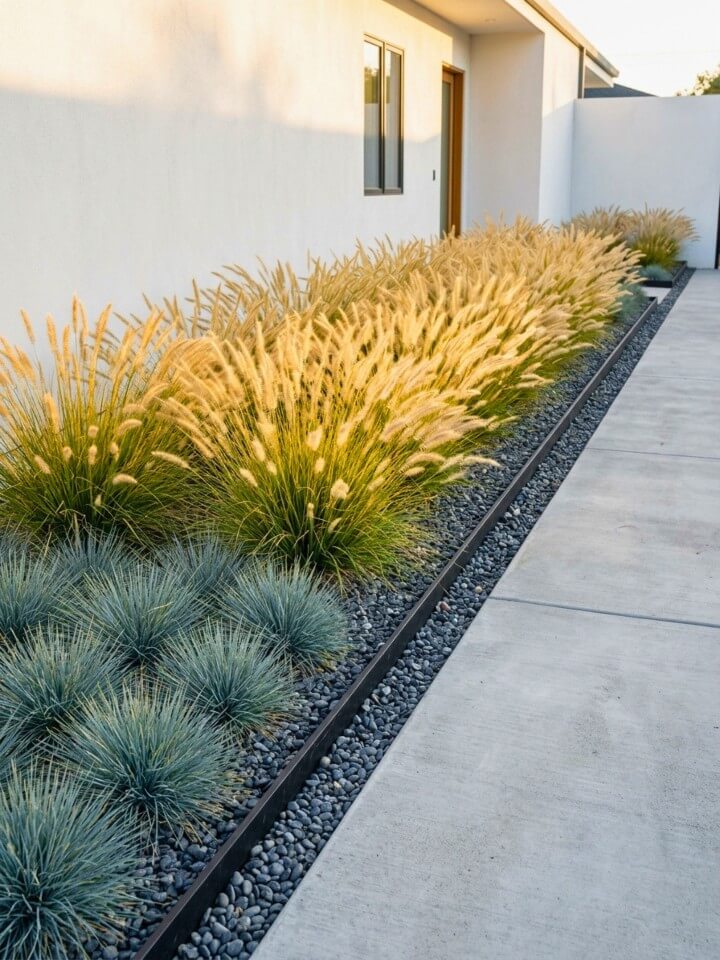
Few plants do as much work for as little maintenance as ornamental grasses. Maiden grass and feather reed grass stay upright and structured through most of the year, making them useful as soft screening along property lines or beside patios. Blue oat grass and blue fescue offer compact, mounding forms well-suited to borders or container planting. Most varieties peak visually in late summer and fall when seed heads form and catch the light. Cut grasses back to about four inches in late winter before new growth begins. Dividing clumps every three to four years keeps the center from dying out.
Matching Grass to Location: Taller grasses above four feet tend to flop in very windy or exposed positions. In open sites, shorter compact varieties maintain their form more reliably through the growing season.
18. Design a Small Courtyard Garden
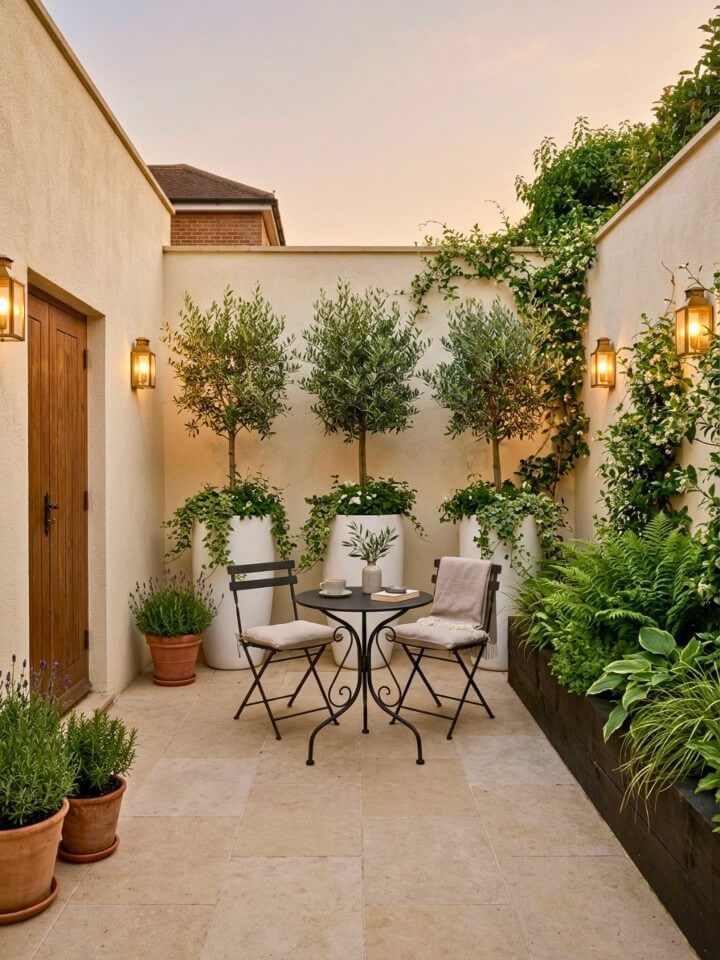
A courtyard succeeds when every element earns its place — space constraints make excess planting or furniture feel immediately cluttered. Stone tile, brick, or large-format pavers underfoot give the area a finished quality that gravel or bare concrete cannot match. A single focal point works better than several competing ones: a container tree, a wall-mounted fountain, or a sculptural planter can anchor the entire space. Keep vertical surfaces working — wall planters, trained climbers, or a simple trellis with jasmine adds greenery without consuming floor area. Lighting matters more in an enclosed courtyard than in open yards since the space is used more intimately.
Furniture Scale: A standard four-person dining set overwhelms most courtyard spaces. A bistro table with two chairs, or a built-in bench along one wall, fits more naturally and leaves room to move comfortably.
19. Use Mulch to Refresh Garden Beds
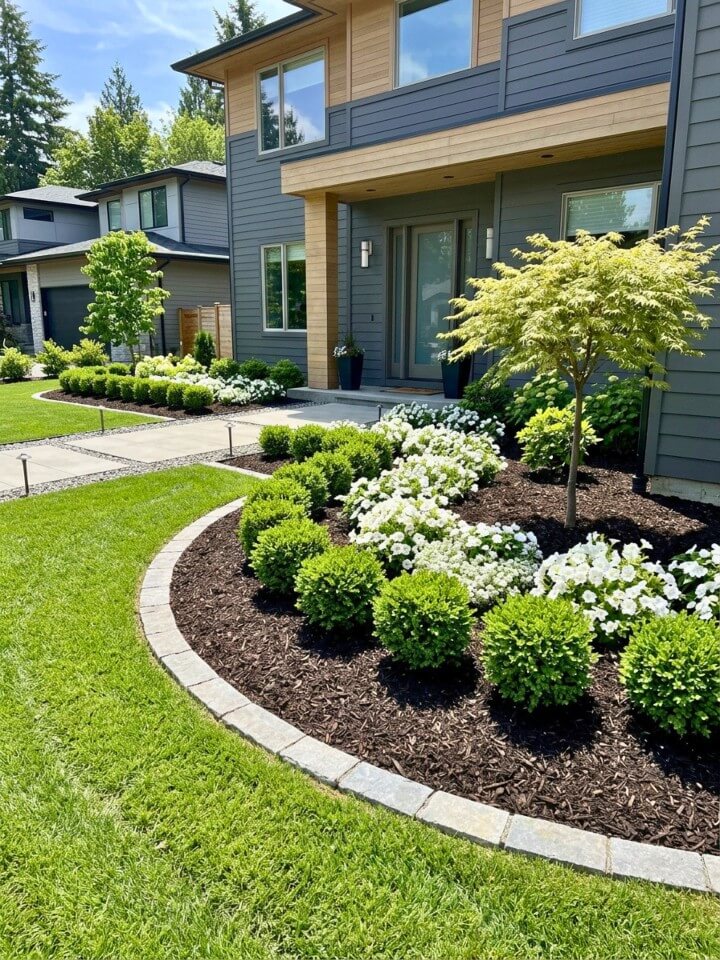
Fresh mulch has an immediate effect on how a yard reads — even established beds with healthy plants look neglected without it. Shredded hardwood and bark mulch are the most widely available types and break down gradually, adding organic matter to the soil. Pine straw works well around acid-loving plants like azaleas and blueberries. Apply mulch two to three inches deep, keeping it pulled back a few inches from plant stems and tree trunks to prevent rot. Dark-dyed mulch holds its color through a full season, while natural undyed varieties fade to gray but cost less and blend more organically into the landscape.
Timing and Application: Applying mulch in mid-spring after soil warms traps moisture during the driest months. Refreshing the top inch each season is usually enough rather than removing and replacing the full layer.
20. Add a Garden Arch for a Romantic Touch
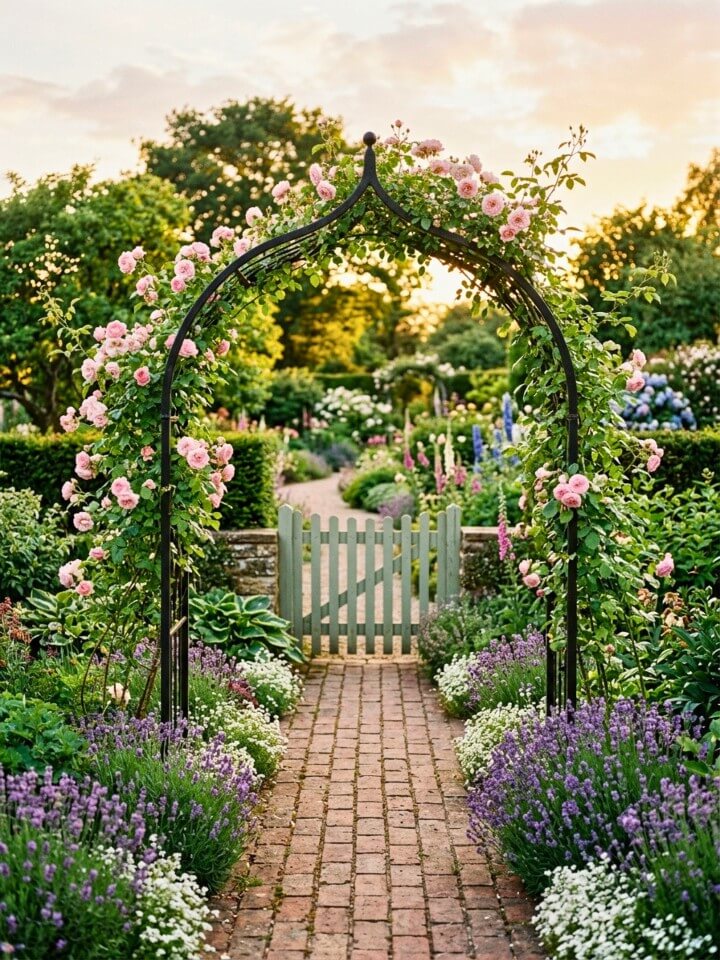
A garden arch works because it creates a threshold — a moment of transition from one part of the yard to another. Position it over a gate, at the start of a path, or between two distinct garden areas rather than placing it arbitrarily in open space. Steel and aluminum arches are more durable than wood in humid climates and require little upkeep beyond occasional cleaning. Give climbing plants like roses or clematis a full season to establish before expecting significant coverage. A bare arch still functions visually as a frame, but the structure reads best once plants have filled in around the sides and across the top.
Plant Selection for Coverage: Clematis covers an arch quickly and blooms reliably with minimal pruning. Climbing roses take longer to establish but offer denser coverage and fragrance that makes the garden feel genuinely distinct.
21. Create a Backyard Dining Area for Easy Entertaining
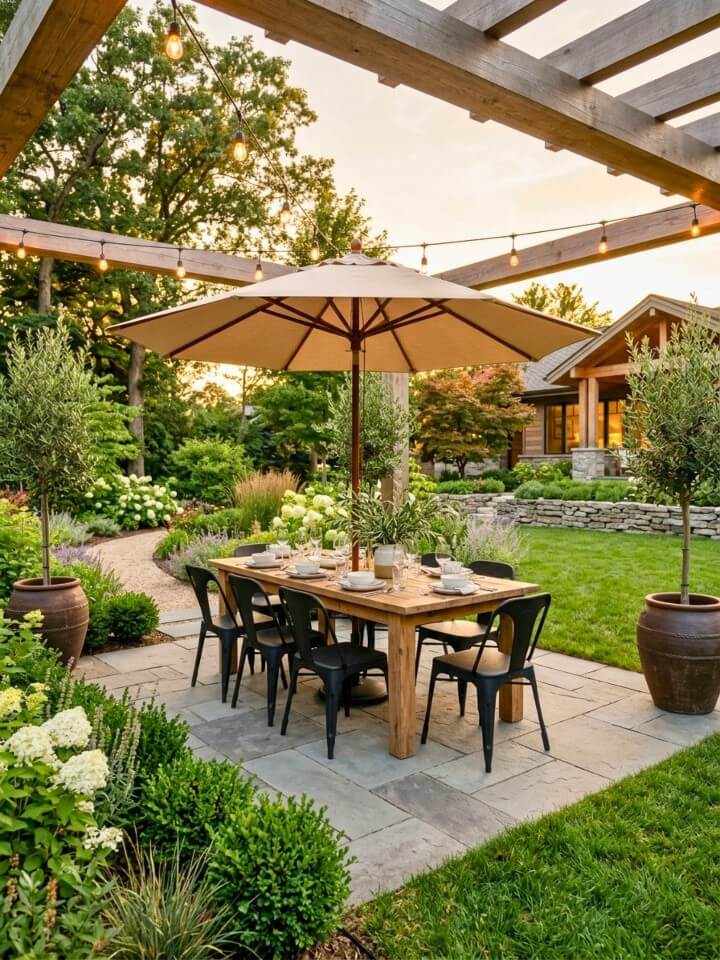
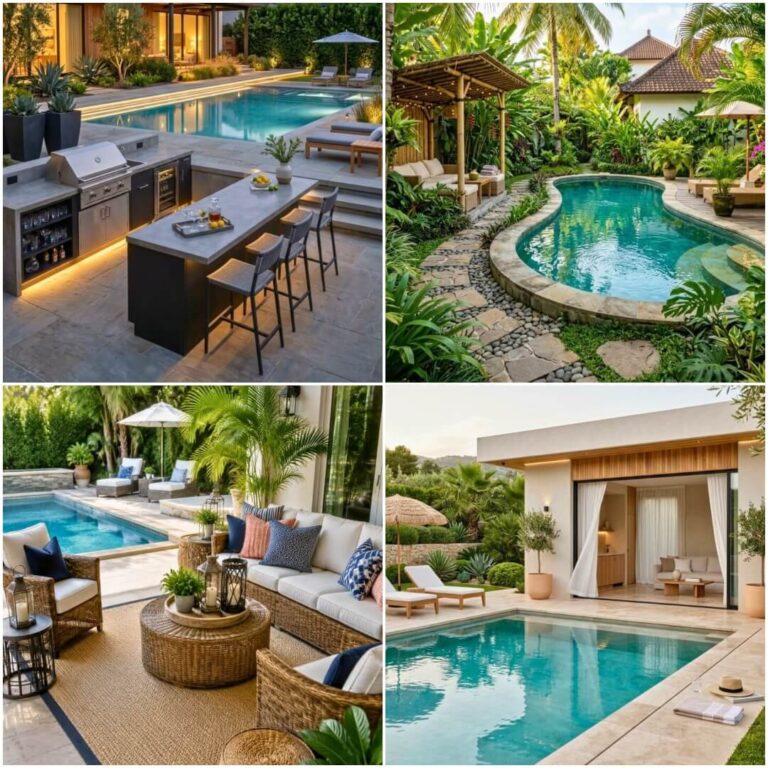
Outdoor dining works best when the space is treated with the same intention as an indoor room. A level surface is the starting point — uneven ground makes tables wobble and chairs scrape constantly. Concrete pavers, composite decking, or a poured concrete slab all provide stable, low-maintenance bases. Choose a table size that fits the space with at least three feet of clearance on all sides for comfortable movement. A large umbrella or overhead shade structure makes the area usable during afternoon hours when direct sun would otherwise drive people inside. Weather-resistant cushions in fade-resistant fabric hold up through multiple seasons without needing to be brought in nightly.
Furniture Material Considerations: Powder-coated aluminum is lightweight, rust-resistant, and available in a wide range of styles. Solid teak costs more upfront but develops a silver patina over time that many homeowners prefer over painted finishes.
22. Native Plants That Thrive With Minimal Attention
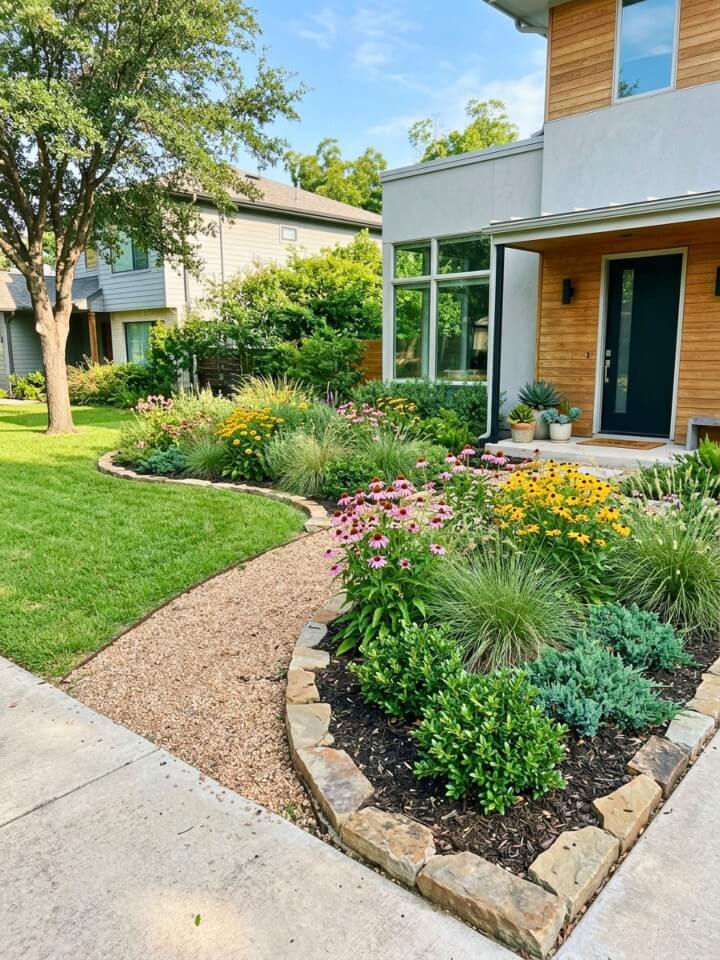
Native plants perform reliably because they evolved in the same conditions they are being asked to grow in. Once established, most require no supplemental watering, no fertilizer, and minimal pruning beyond occasional shaping. Coneflower, wild bergamot, and switchgrass are widely adaptable natives that work in borders, meadow-style plantings, or mixed beds. The key to making native plantings look intentional rather than overgrown is repetition — grouping the same species in clusters of three to five rather than scattering single plants randomly across the bed. Native plants also support local insect populations, which benefits the broader garden ecosystem.
Sourcing Quality Plants: Buy natives from reputable nurseries that propagate their own stock rather than wild-collecting. Plants grown in containers at a local nursery adapt faster than bare-root mail-order varieties in most cases.
23. Build a Retaining Wall for Structure
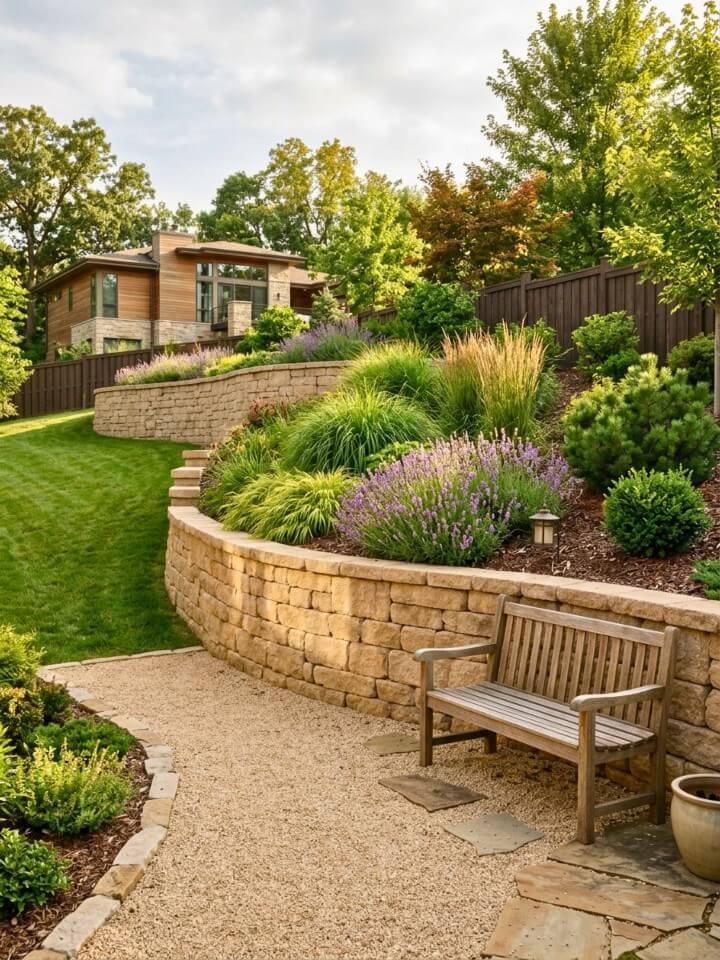
A retaining wall becomes necessary when sloped ground makes planting beds difficult to maintain or when erosion is removing soil from elevated areas. Dry-stacked natural stone creates the most visually organic result and allows for planting in the gaps between stones. Concrete block systems like Allan Block or Versa-Lok offer more structural reliability for walls above 24 inches in height. Any wall taller than three feet typically requires proper drainage behind it — a layer of gravel backfill and a perforated drain pipe at the base prevents hydrostatic pressure from pushing the wall outward over time. Timber walls are less expensive but have a shorter lifespan than stone or concrete.
When to Hire a Professional: Walls exceeding four feet in height involve soil load calculations that go beyond basic DIY scope. Permits are often required at this height, and improper construction can cause failure within a few seasons.
24. Using Containers to Keep Your Yard Flexible
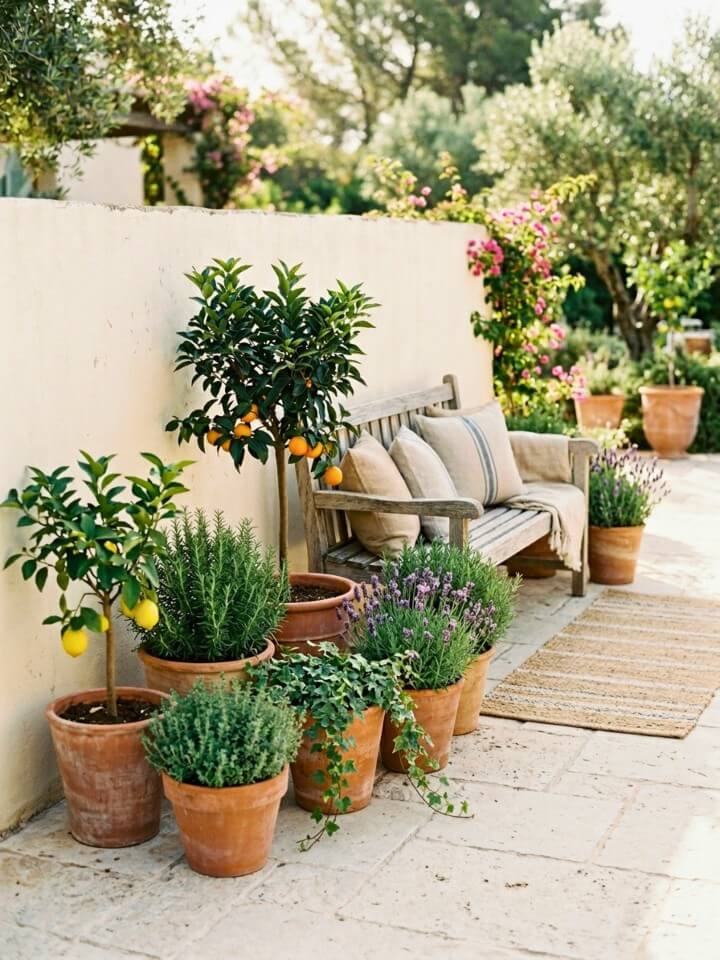
Containers give a yard something fixed plantings cannot — the ability to change. A pot moved to a different corner, swapped out seasonally, or replaced entirely costs far less than reworking a planted bed. Larger containers above 18 inches in diameter retain moisture better and support a wider range of plant sizes. Use a quality potting mix rather than garden soil, which compacts in containers and drains poorly. Group pots in odd numbers and vary heights within the grouping for a more composed look. Elevating containers on pot feet improves drainage and prevents moisture damage to patio surfaces beneath.
Watering in Hot Months: Containers in full sun may need watering daily during summer heat. Adding perlite or water-retention crystals to the potting mix reduces how often watering is needed without affecting plant health.
25. Add a Lawn-Free Garden for Modern Living
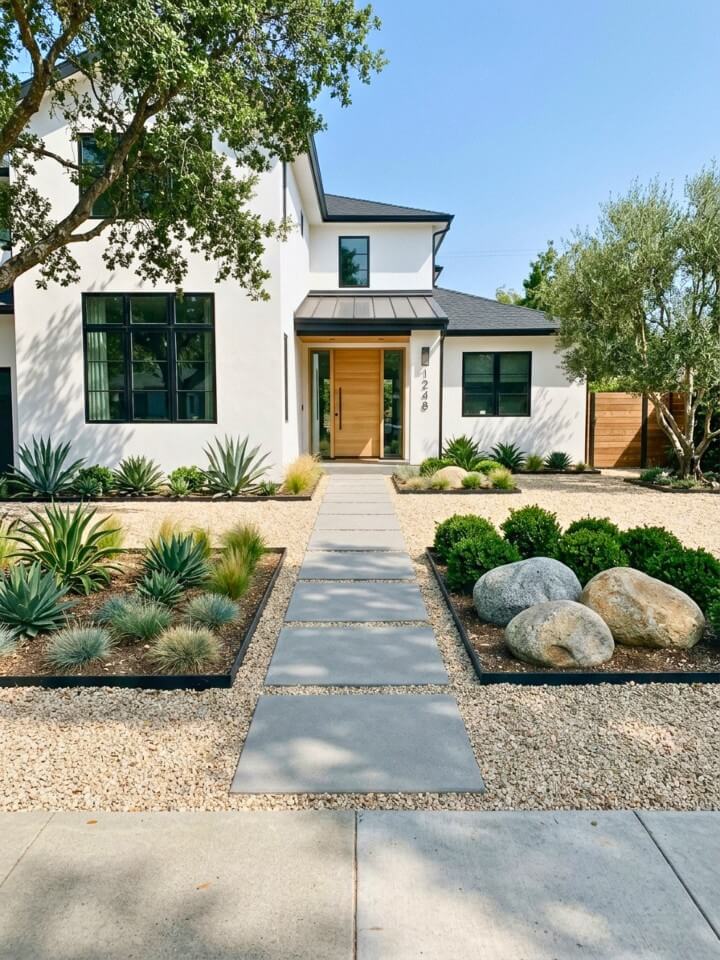
Replacing turf with low-maintenance alternatives reduces water use, eliminates weekly mowing, and opens up design possibilities that a conventional lawn does not allow. Decomposed granite and crushed limestone are practical ground covers for high-traffic areas and pair well with drought-tolerant plantings. Ground covers like creeping sedum, buffalo grass, or clover stay low without mowing and fill in bare areas over one to two seasons. Breaking the space into distinct zones — a paved area, a planting bed, a gravel section — gives the yard structure that lawn alone cannot provide. The transition reads most convincingly when edging clearly defines each zone.
Managing the Transition: Remove existing turf completely before installing alternative ground covers. Leaving grass roots beneath gravel or ground cover allows regrowth that becomes difficult to manage once the new surface is in place.
26. Create a Side Yard Walkway With Simple Planting
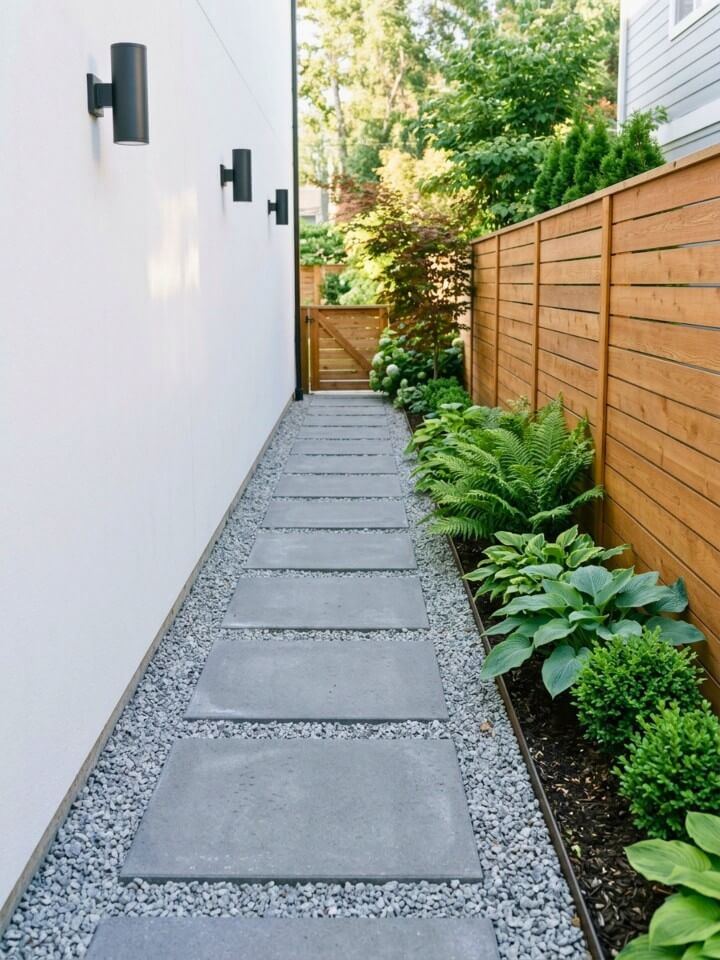
Side yards are often the most neglected part of a property, used primarily for access but rarely made to feel intentional. A simple gravel path with clean metal edging immediately improves the area without significant cost. Width matters more than most people account for — a path narrower than 36 inches feels tight when carrying equipment through. Shade-tolerant plants like hostas, ferns, and hellebores work well in side yards that receive limited direct sunlight. Wall-mounted planters or narrow raised beds along the fence line add greenery without reducing the usable path width. Keeping the planting simple and consistent makes a short space feel longer and more considered.
Lighting for Safety: Low-profile step lights or wall-mounted fixtures improve visibility in side yards used after dark. Solar options work adequately here since consistent bright light is less critical than in primary outdoor living areas.
27. Adding a Small Pond for Texture and Calm
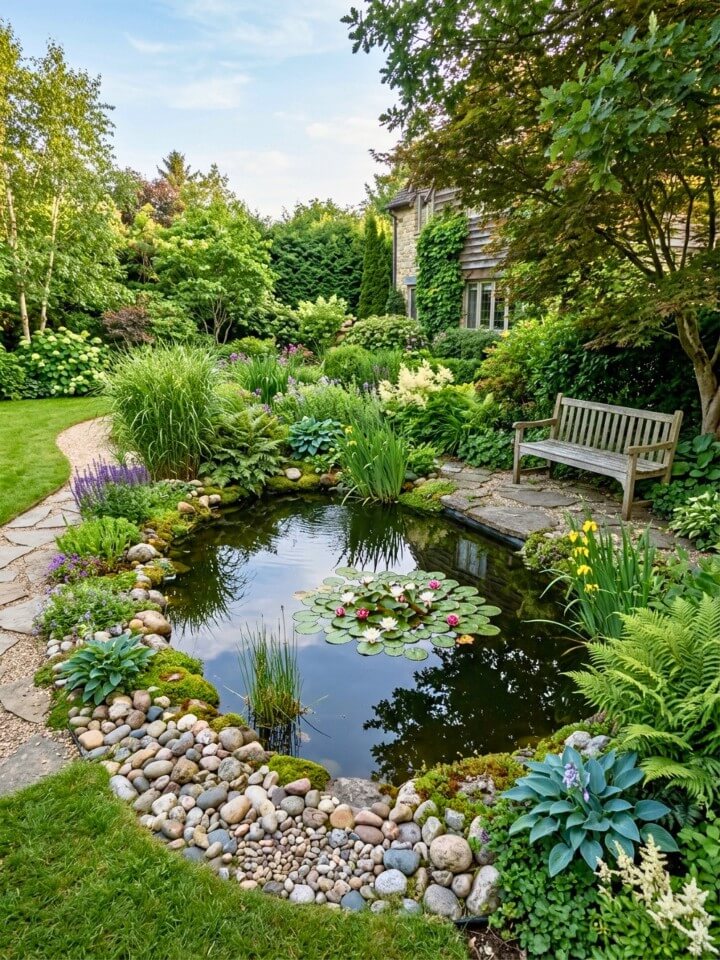
A pond changes the sensory quality of a garden in ways other features cannot replicate — the surface reflects light and sky, and the sound of a small waterfall or fountain attachment carries across the yard without being overwhelming. Preformed rigid pond liners simplify installation for DIY projects, while flexible EPDM liner allows for more custom shapes. A minimum depth of 18 inches prevents the water from overheating in summer and allows hardy water lilies to establish properly. Include a mix of submerged oxygenating plants, floating plants, and marginals around the edges to keep the water balanced and reduce algae growth naturally.
Fish and Maintenance: Adding goldfish or koi requires a pond of at least 250 gallons and a proper filtration system. Smaller ponds without fish are significantly easier to maintain and still support frogs, dragonflies, and beneficial insects.
28. Design a Minimalist Landscape With Clean Lines
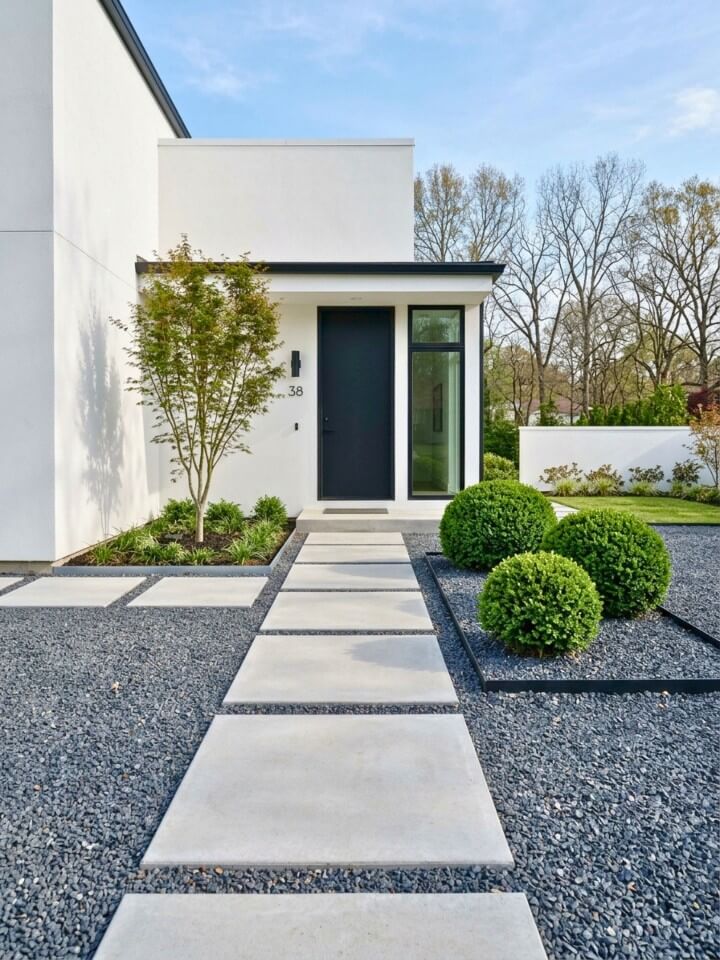
Minimalist landscapes require more precision than busy ones because every element is visible and nothing distracts from poor execution. Limit the plant palette to three or four species used consistently throughout the yard rather than introducing many different varieties. Clipped evergreens like boxwood, yew, or Japanese holly provide structure that holds the design together through winter when other plants die back. Hardscape materials should be consistent — mixing too many paver types, edging materials, and surface finishes undermines the clean quality the style depends on. Negative space, meaning open gravel or paved areas without planting, is an intentional design element rather than something to fill.
Maintenance Reality: Minimalist gardens show weeds, dead plants, and overgrowth more visibly than dense plantings do. Budget time for regular edging, trimming, and surface cleaning to keep the design reading as intended.
29. How Edging Sharpens the Look of Any Garden Bed
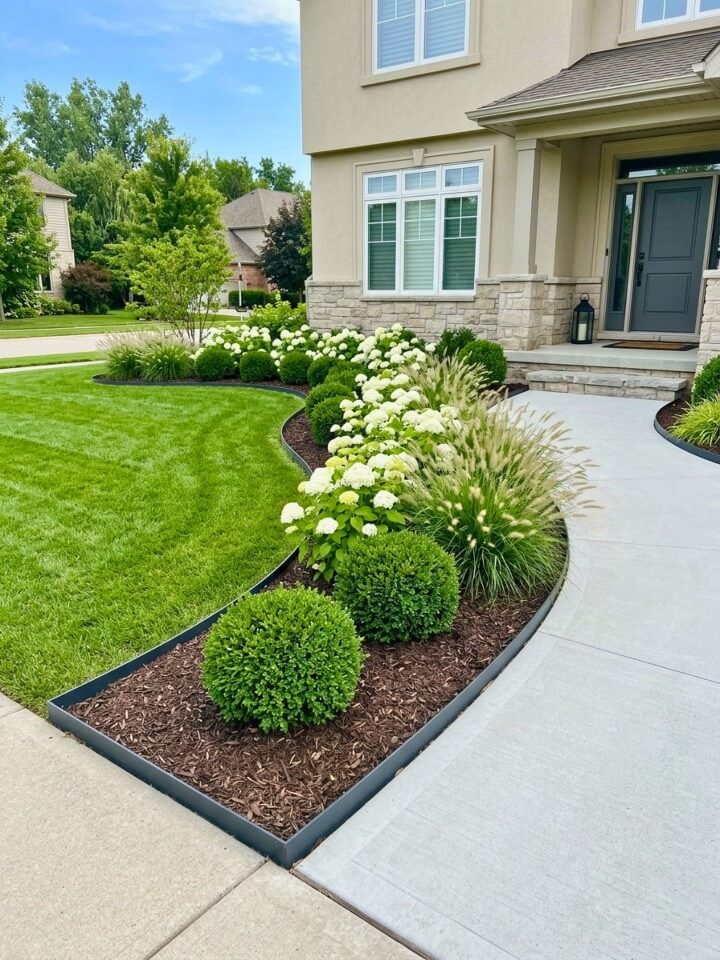
Edging is one of the least expensive improvements that produces a disproportionately large visual result. Steel edging in a dark matte finish creates the cleanest line and holds its shape permanently without heaving or shifting. Aluminum is lighter and easier to install around curves. Brick and stone edging adds a more traditional character and integrates well with older home styles. Install edging deep enough that the top sits flush with or just above the surrounding lawn — too high and it becomes a tripping hazard; too low and it fails to contain mulch effectively. Recut the soil edge along the inside of the border each spring to keep the line sharp.
Depth and Anchoring: Most steel and aluminum edging stakes into the ground at six-inch intervals. On slopes or in sandy soil, spacing stakes closer together at four inches prevents the edging from shifting after heavy rain.
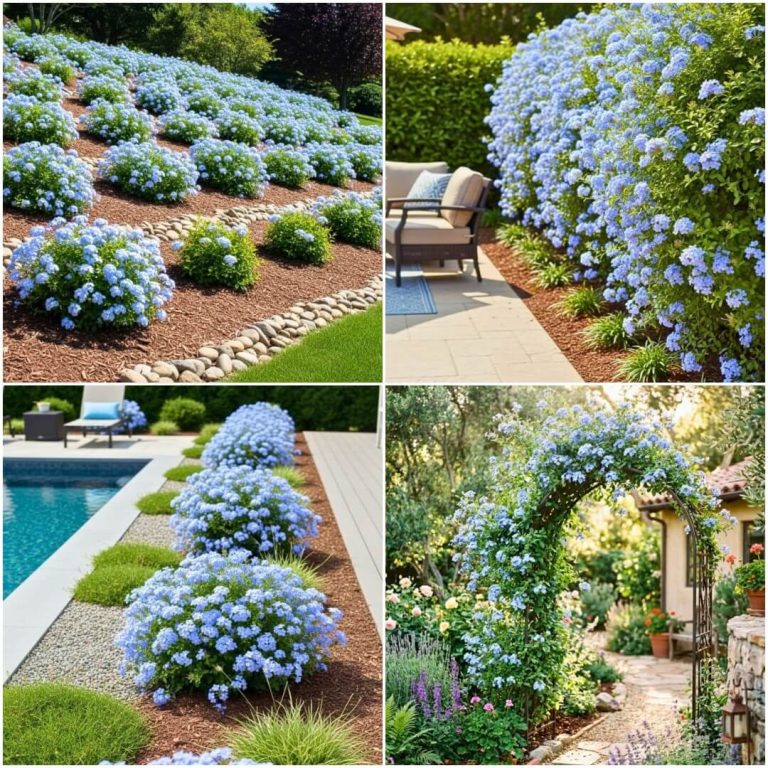
30. Use Climbing Plants to Soften Walls and Fences
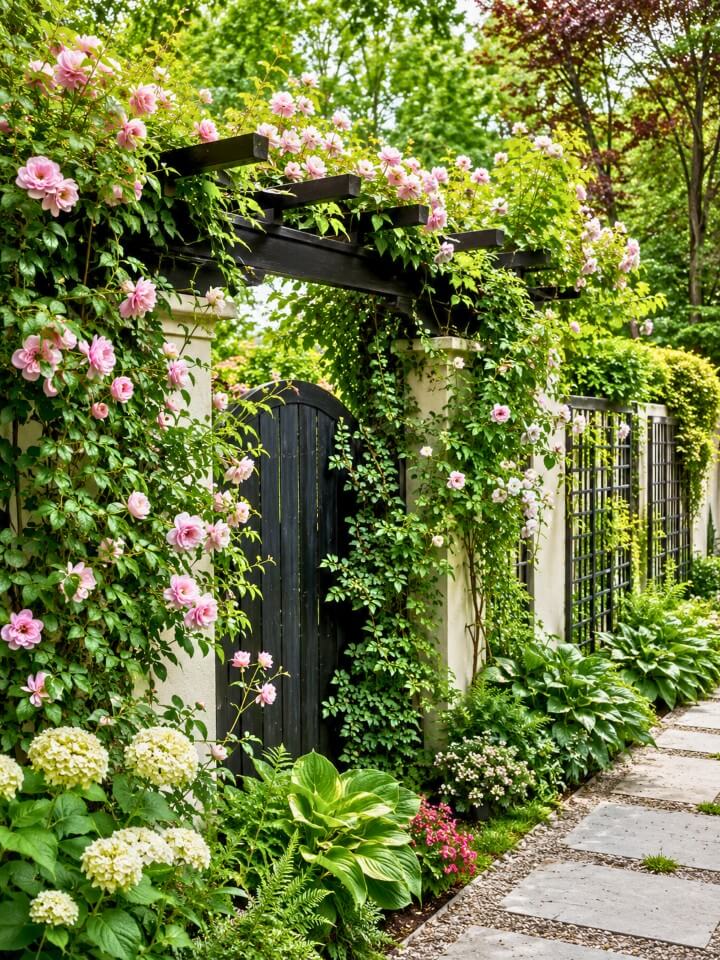
A bare fence or blank exterior wall reads as an unfinished element in an otherwise planted yard. Climbing plants address this without construction or major expense, though the right attachment method matters for long-term results. Self-clinging climbers like Virginia creeper and climbing hydrangea attach directly to masonry surfaces without additional support. Twining vines such as clematis and honeysuckle need a trellis, wire, or lattice to hold onto. Avoid allowing vigorous self-clinging species to climb wooden siding or shingle surfaces since their holdfasts can retain moisture and cause deterioration over time. On fences, a simple wire grid spaced six inches from the surface gives most climbers adequate room to attach properly.
Growth Rate Expectations: Most climbing plants take two to three years to cover a significant surface area. Selecting fast-growing varieties like silver lace vine or trumpet vine reduces waiting time but requires more aggressive pruning to stay manageable.
31. Create a Zen-Inspired Garden for Calm Outdoor Living
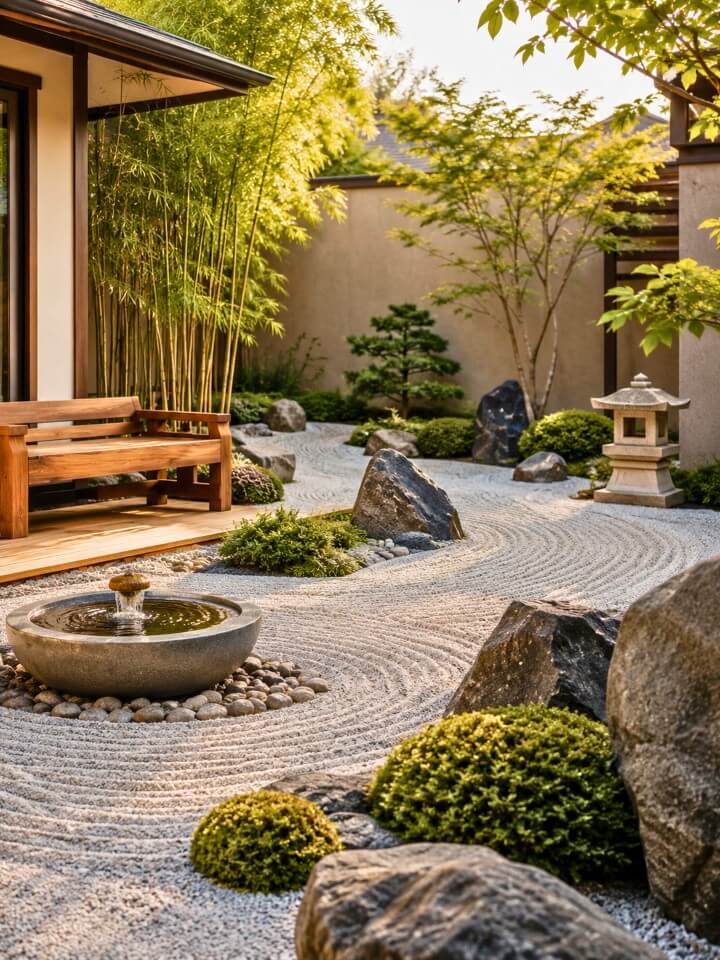
A Zen-inspired garden relies on restraint — the goal is to remove visual noise rather than add to it. Raked gravel or crushed granite represents the foundational surface in most interpretations, with smooth river stones placed deliberately rather than scattered. Japanese maple, bamboo planted in underground barriers to control spread, and low clipped azaleas are plant choices that contribute structure without overwhelming the composition. Moss ground cover between stones adds a soft, aged quality that takes years to develop naturally but can be encouraged with buttermilk applied to bare stone surfaces. Keep the space clear of decorative clutter — one lantern, one water basin, or one specimen plant carries more weight than several competing focal points.
Balancing Simplicity With Maintenance: Raked gravel requires touching up after rain and wind disturb the surface pattern. Use a purpose-made wooden rake with wide-spaced tines, and limit the raked area to a size that can be refreshed in under ten minutes to keep the practice sustainable.
FAQs About Landscaping Ideas
Every yard is different, and a single article can only cover so much ground. These are the honest, practical questions that come up once the inspiration fades and the real planning begins.
How Much Should a Beginner Budget for Basic Landscaping?
Most beginner-friendly landscaping projects fall somewhere between $500 and $2,500 depending on yard size and material choices. Start with lower-cost improvements like mulching, edging, and container planting before committing to permanent hardscape. Doing the labor yourself on smaller projects can cut costs by 40 to 60 percent compared to hiring out.
What Is the Best Time of Year to Start a Landscaping Project?
Early fall and early spring are the two most reliable windows. Fall gives plants time to root before winter without the stress of summer heat. Spring works well for hardscape installation like patios and paths since the ground is workable and you have the full growing season ahead.
How Do You Keep a Landscaped Yard Looking Good Year-Round?
Consistency matters more than occasional big efforts. A simple monthly routine — edging beds, refreshing mulch once a season, cutting back dead growth, and checking drainage after heavy rain — keeps most yards looking intentional without consuming entire weekends. Choosing plants with overlapping bloom times also prevents that bare, finished-for-the-season look from settling in.
Can Landscaping Actually Increase Home Value?
Yes, and more reliably than most interior upgrades. Studies from the American Society of Landscape Architects suggest quality landscaping can add anywhere from 10 to 15 percent to a home’s perceived value. Curb appeal specifically — clean entryways, defined beds, healthy trees — influences buyer first impressions before they even step inside.
What Should You Do With a Yard That Has Poor or Rocky Soil?
Work with it rather than against it. Rocky or poor soil is genuinely well-suited to rock gardens, gravel-based designs, and drought-tolerant native plantings that struggle in rich soil anyway. Raised beds filled with quality topsoil and compost are the most practical solution for anyone who wants to grow vegetables or traditional perennials without the cost and effort of amending an entire yard.
Conclusion:
The best yards are not the most complicated ones — they are the ones where someone made a few thoughtful choices and followed through. That is the real thread running through ideas for landscaping kdarchistyle: not doing everything, but doing the right things well. A single raised bed with good soil, a path that actually invites you forward, a corner with a chair and decent light — these small decisions compound over time into something that genuinely feels like yours. Pick one idea, start this weekend, and let the yard grow from there. The first stone you set is the one that makes everything else feel possible.